

Wildflowers at the Edge of a Native Woodland: Why Woodland Margins Are Among Nature's Richest Habitats
When people think about creating a native woodland, they naturally picture towering oak trees, winding woodland paths and birds singing beneath a leafy canopy. But some of the most important biodiversity isn't found deep inside the forest. It's found on the edge.
At Cloudforests, every native woodland we create across Ireland is designed to become a complete ecosystem, and the woodland edge is where nature often puts on its greatest display. These transitional spaces between open grassland and young woodland are biodiversity hotspots, supporting hundreds of species of insects, birds, mammals and native plants. Our recent walk around one of our developing Cloudforests revealed an explosion of colour that demonstrates exactly why these habitats matter.
Common Ragwort – One of Ireland's Most Important Pollinator Plants
The brilliant golden flowers of Common Ragwort (Jacobaea vulgaris) are impossible to miss.
While often misunderstood, ragwort is one of Ireland's most valuable native wildflowers for biodiversity. It supports more than 170 species of insects, including the unmistakable black-and-orange Cinnabar Moth, whose caterpillars rely almost entirely on ragwort for survival. Late summer bees, hoverflies, solitary bees and butterflies also depend upon its abundant nectar when many earlier flowering plants have finished.
Sometimes, the plants we value least are the ones wildlife needs most.
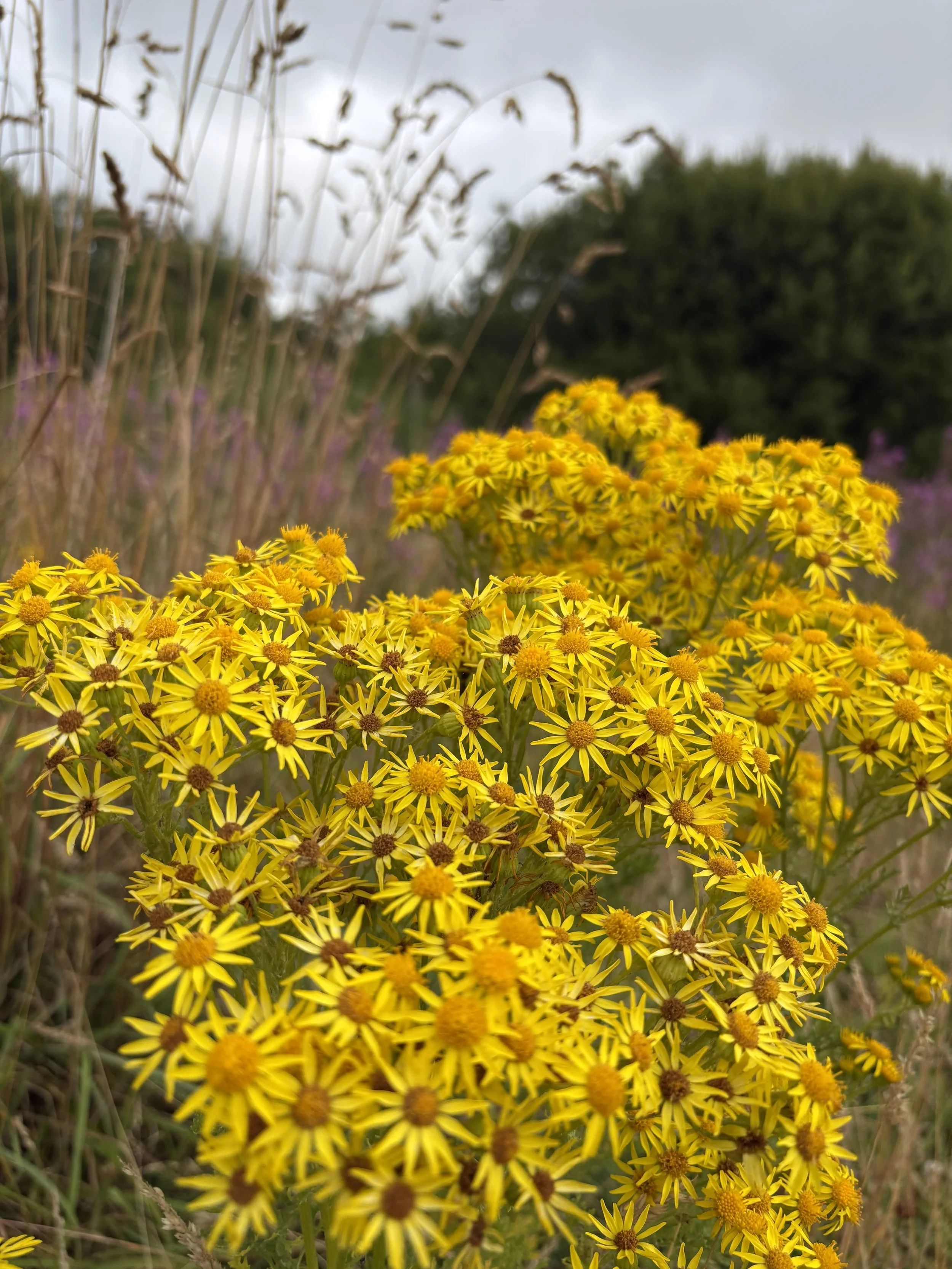
Ragworth on the edge of a native woodland
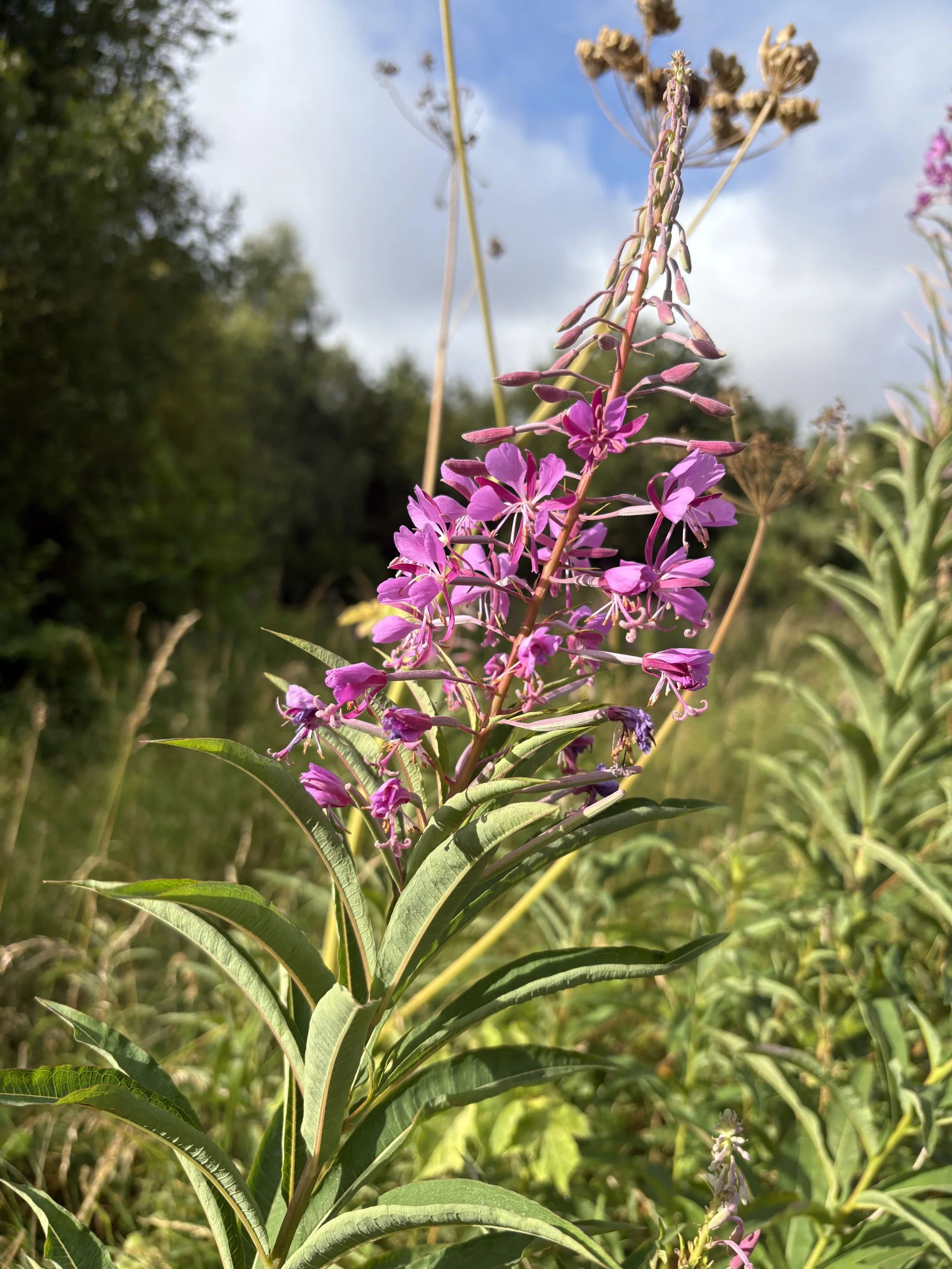
Rosebay Willowherb – Colouring the Woodland Edge
Standing proudly amongst the grasses is Rosebay Willowherb (Chamaenerion angustifolium). Often called Fireweed, this beautiful native flower is one of the first species to establish itself on disturbed ground and newly created habitats. Its vibrant pink flowers provide a rich source of nectar throughout the summer, attracting honeybees, bumblebees and countless pollinating insects. As our young woodlands establish themselves, plants like Rosebay Willowherb help create the diverse layers of vegetation that healthy forests depend upon.
Knapweed and Native Thistles – Feeding Ireland's Pollinators
The purple blooms of Knapweed and native Thistles may appear ordinary, but they are among the busiest restaurants in nature. Walk past one on a warm afternoon and you'll often hear the unmistakable hum of bees before you even see the flowers.
These plants are magnets for:
Bumblebees
Honeybees
Butterflies
Hoverflies
Beetles
Solitary bees
Their long flowering season helps bridge important gaps in nectar availability, supporting pollinators well into late summer.
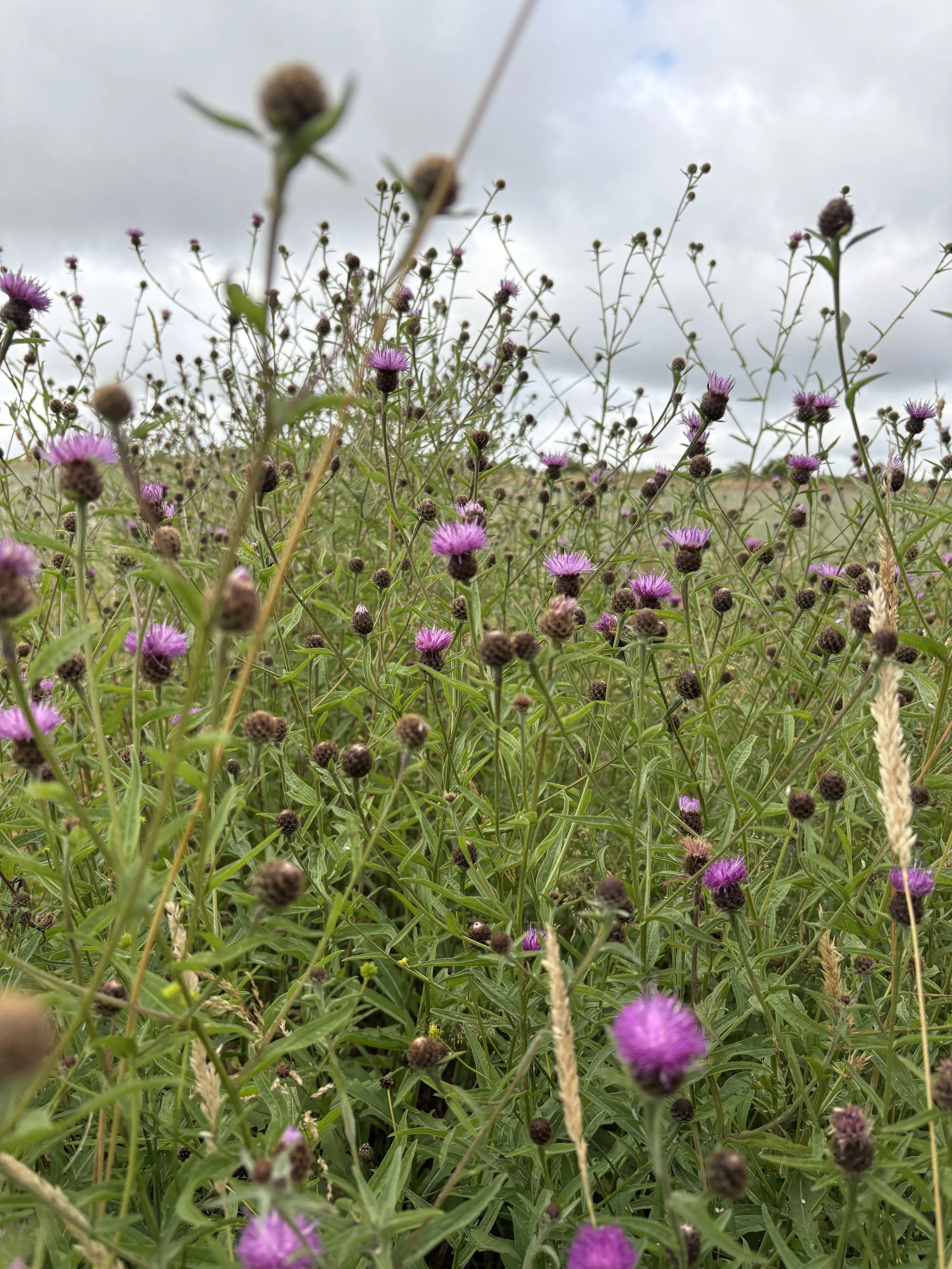
Native Thistles
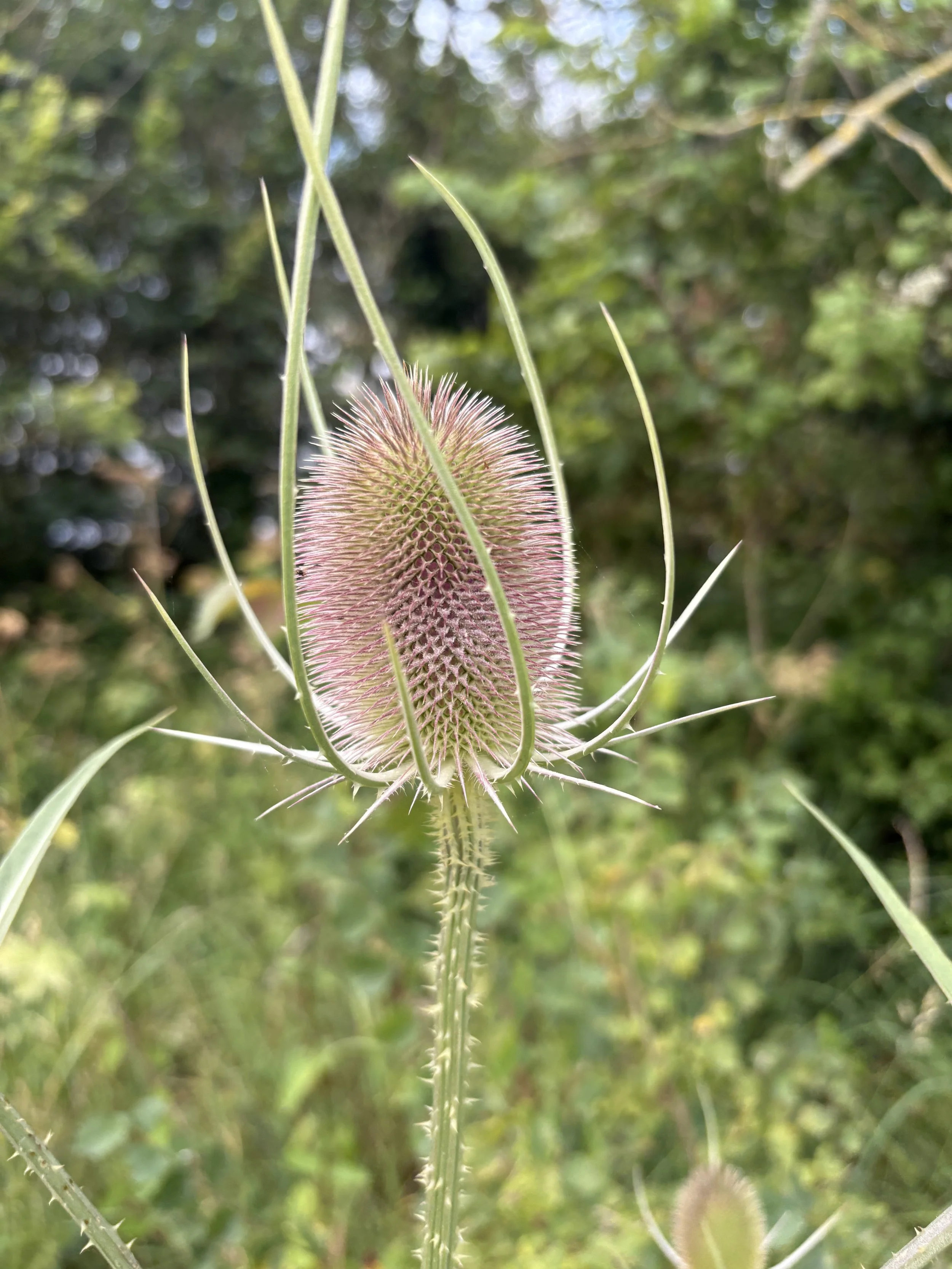
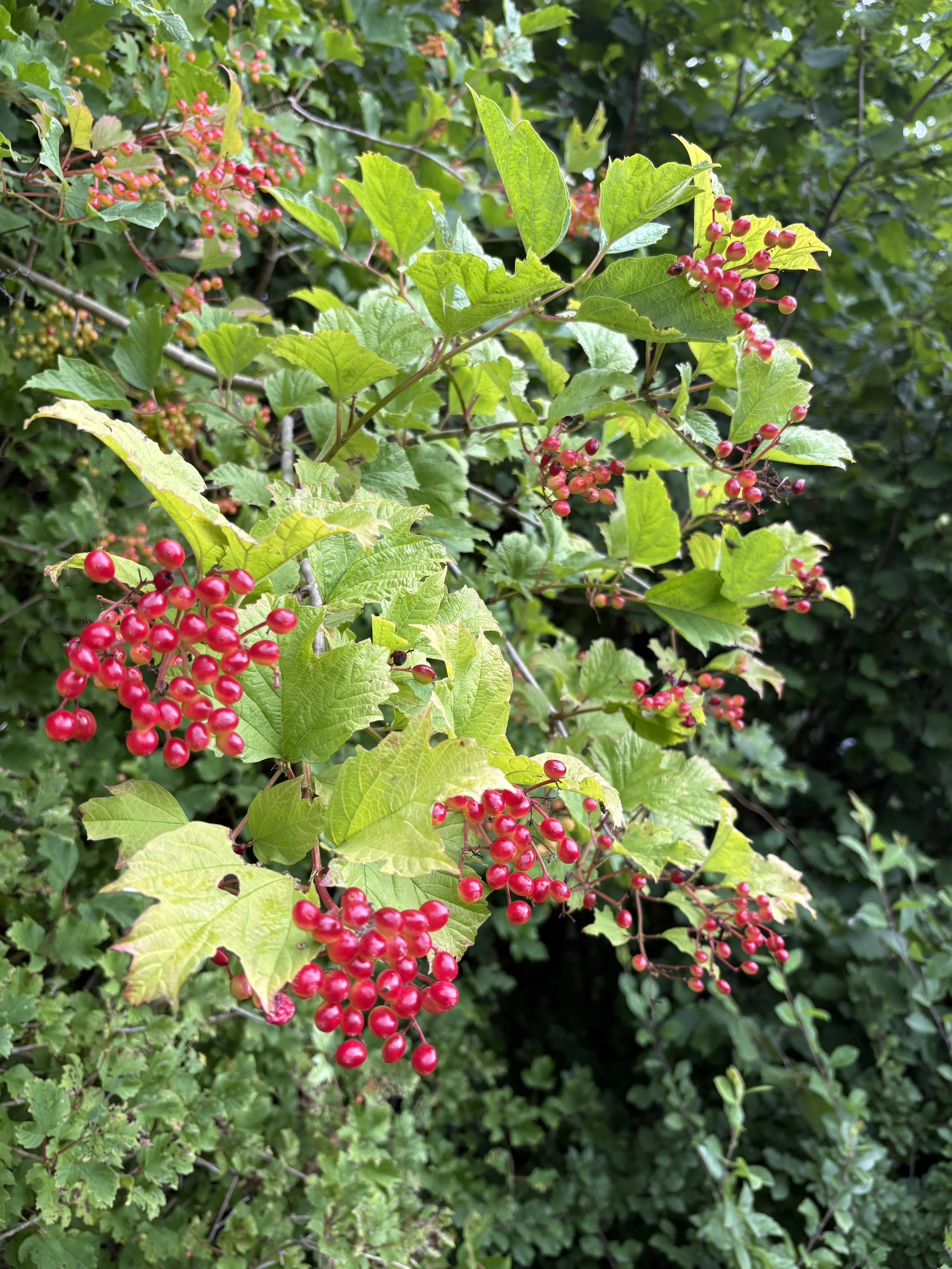
Guelder Rose – Feeding Birds Long After Summer Ends
Not every native plant supports wildlife through flowers alone. The striking clusters of bright red berries on the Guelder Rose (Viburnum opulus) will become one of autumn's most valuable food sources for birds including:
Blackbirds
Song Thrushes
Redwings
Fieldfares
Waxwings during winter irruptions
Native shrubs like Guelder Rose also provide shelter, nesting sites and valuable winter cover for countless species.
Why Woodland Edges Matter
Ecologists often refer to woodland edges as ecotones—places where two habitats meet. These transition zones receive more sunlight than the woodland interior, allowing an extraordinary diversity of flowering plants to thrive.
That diversity creates:
🌼 More nectar for pollinators
🐝 Greater insect populations
🐦 More food for birds
🦔 Better habitat for mammals
🌱 Improved soil health
🌳 Natural woodland regeneration
In many ways, the woodland edge supports the woodland itself.
Every Cloudforest Is Designed for Biodiversity
At Cloudforests, our mission goes far beyond planting native trees. Every site is designed to become a resilient ecosystem where native woodland, hedgerows, wildflowers, wetlands and grasslands work together to support biodiversity. As our woodlands mature over the coming decades, these colourful meadow habitats will naturally evolve. Some flowers will gradually disappear beneath the developing tree canopy, while woodland specialists such as bluebells, wood anemones, primroses and ferns will take their place. Nature is constantly changing. Our role is simply to give it the space to recover.
Building Native Woodlands Across Ireland
Every tree planted through Cloudforests helps restore native woodland across Ireland while creating long-term habitats for wildlife, improving biodiversity, storing carbon and reconnecting people with nature. Whether you're purchasing a gift tree, joining our CoolPartner Programme, supporting our Plus Partnership, or simply following our journey, you're helping create native Irish woodlands that will continue to grow for generations. A forest is far more than its trees. It's the flowers on its edge. The insects they feed. The birds they attract. And the countless connections that make a woodland truly alive.
Discover More About Cloudforests
If you'd like to follow the growth of our native woodlands, explore our biodiversity projects, or become part of our growing community of Cloudforesters, visit www.cloudforests.ie. Together we're restoring native woodland, supporting biodiversity, creating verified carbon projects and building something that will last the test of time.
Cloudforests – Building something to last the test of time. 🌳🌼🐝