

The Yellowhammer Bird: Ireland’s Bright Countryside Singer Now Indexed on Cloudforest One
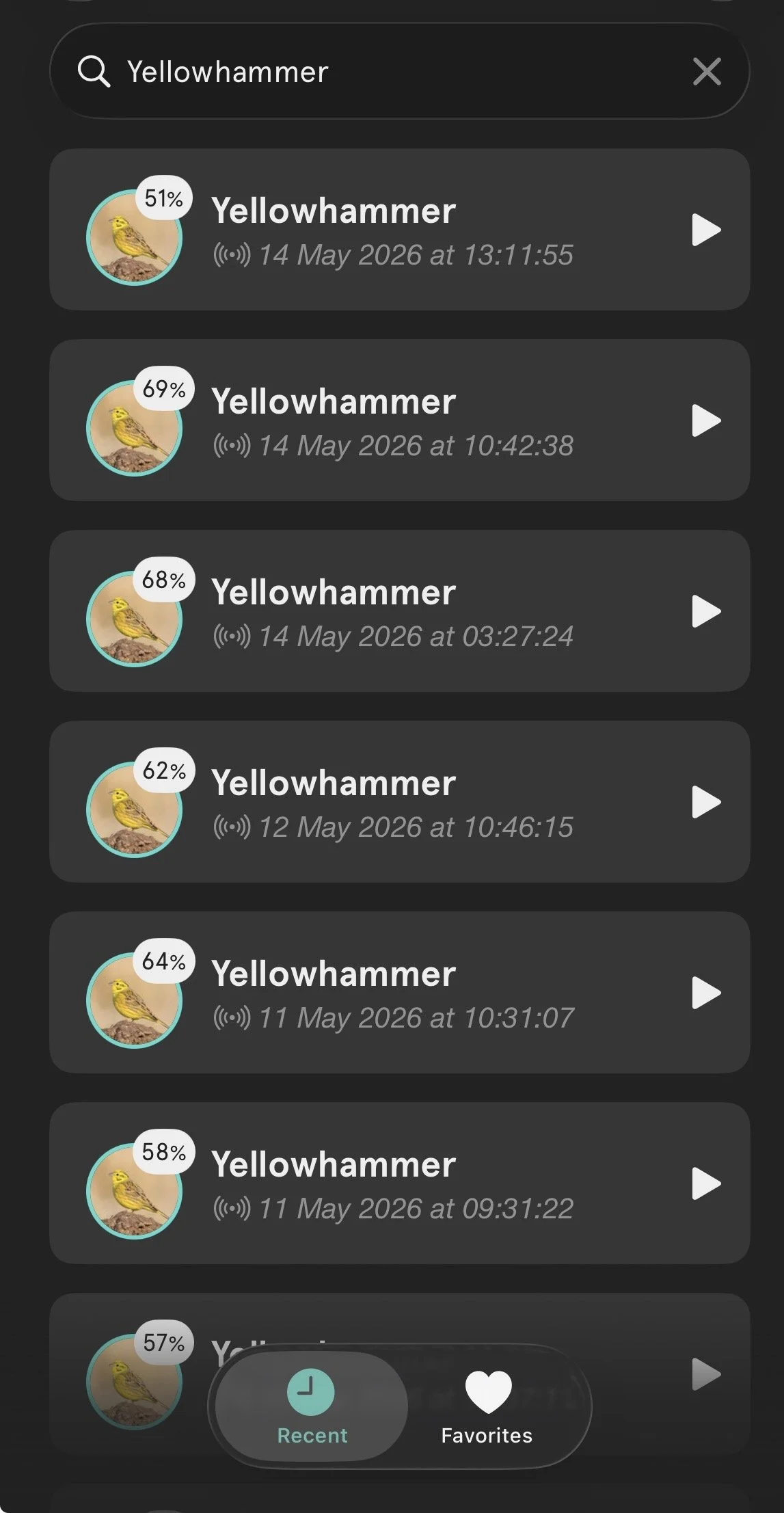
Indexed on our Cloudforest One site
Discover the Beautiful Yellowhammer Bird
The Yellowhammer bird (Emberiza citrinella) is one of the most recognisable countryside birds across Ireland and Europe. Known for its vibrant yellow head, melodic song, and connection to traditional farmland habitats, the Yellowhammer has become a favourite among birdwatchers, nature photographers, and wildlife conservationists.
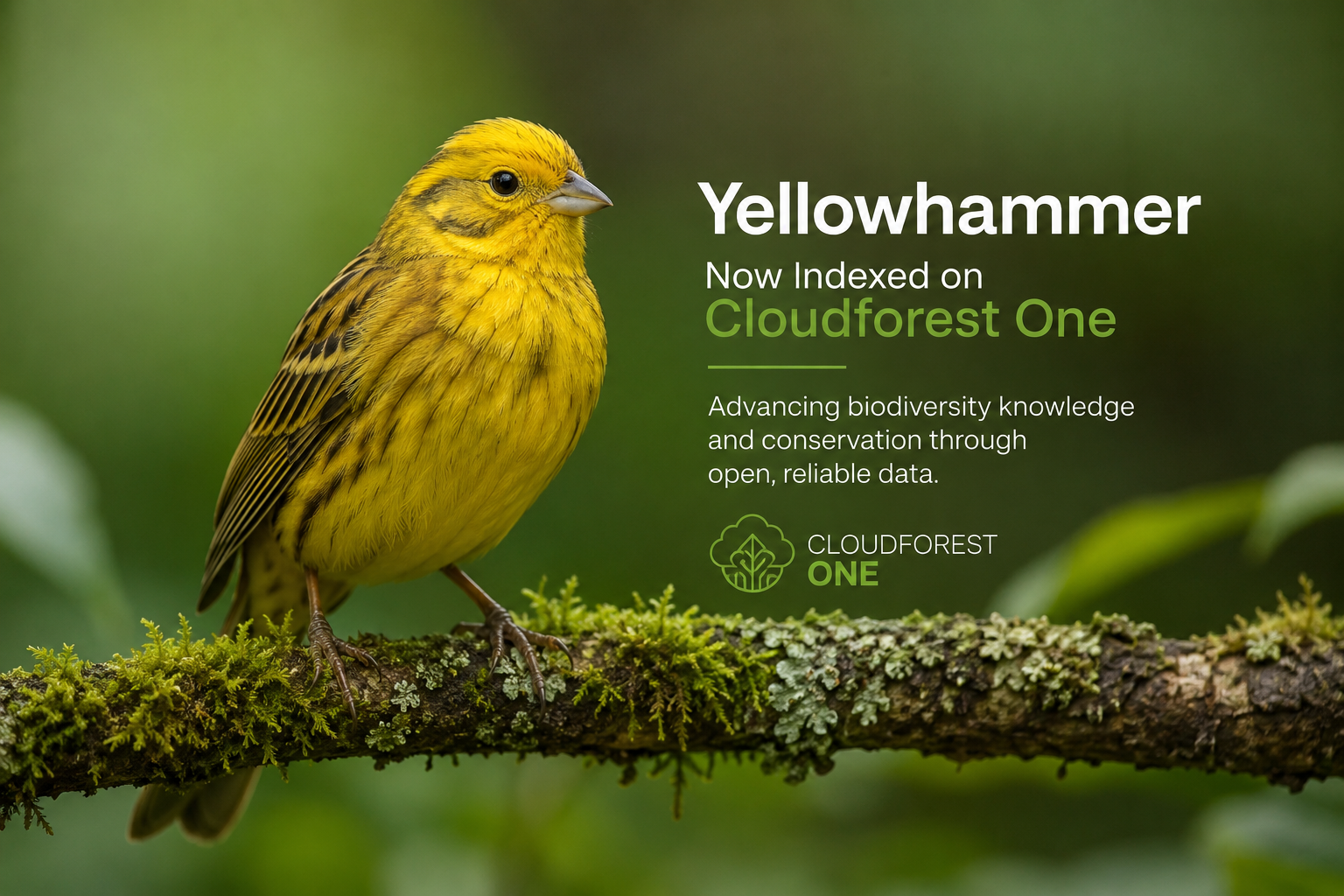
Cloudforest One has now indexed the Yellowhammer bird as part of its growing wildlife and biodiversity catalogue, helping nature enthusiasts, researchers, and conservation-focused organisations access valuable information about this fascinating species.
In this article, we explore interesting facts about the Yellowhammer bird, its habitat, conservation status, behaviour, and why indexing species like the Yellowhammer on platforms such as Cloudforest One is important for biodiversity awareness.
What Is a Yellowhammer Bird?
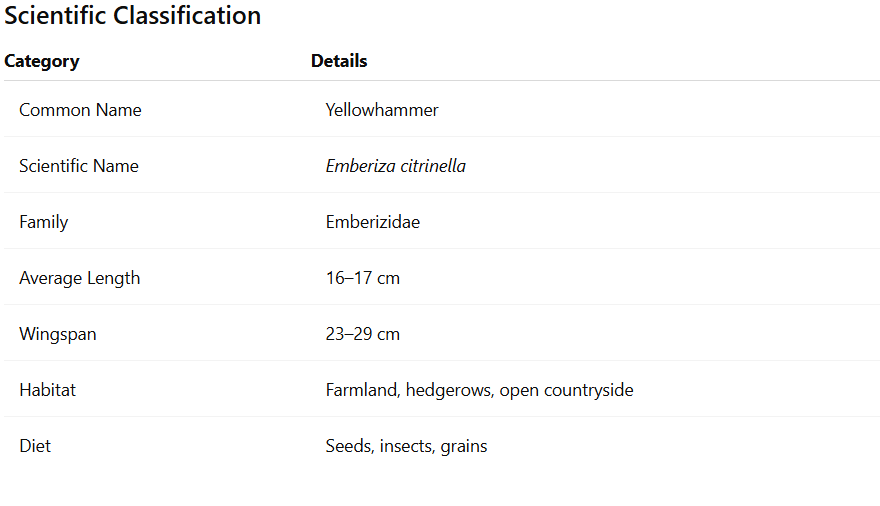
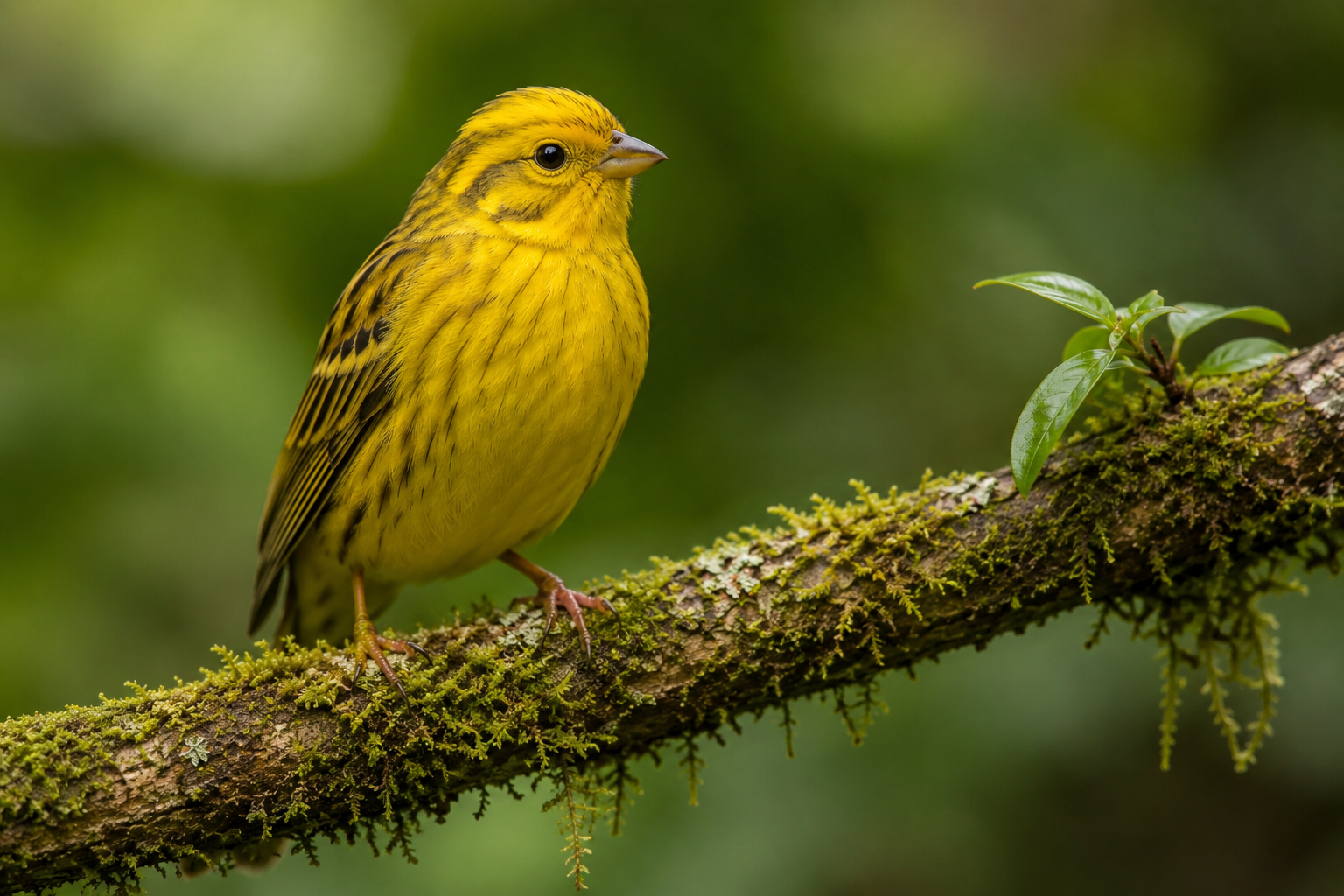
The Yellowhammer is a small passerine bird belonging to the bunting family. It is especially recognised for:
Bright yellow plumage on the head and chest
Brown streaked wings and back
Distinctive singing pattern
Presence in hedgerows, farmland, and grasslands
Male Yellowhammers are particularly colourful, while females display softer yellow tones mixed with brown markings for camouflage.
Why the Yellowhammer Matters in Irish Biodiversity
The Yellowhammer has long been associated with traditional Irish farming landscapes. Unfortunately, like many farmland bird species, populations have declined due to:
Intensive agriculture
Hedgerow removal
Loss of winter seed sources
Increased pesticide use
Habitat fragmentation
Conservation groups across Ireland and Europe monitor Yellowhammer populations as indicators of ecosystem health.
By indexing the Yellowhammer bird on Cloudforest One, conservation data becomes easier to access and organise for environmental projects, ecological studies, educational initiatives, and biodiversity awareness campaigns.
Interesting Facts About the Yellowhammer Bird
1. The Yellowhammer Has a Famous Song
Birdwatchers often describe the Yellowhammer’s song as sounding like:
“A little bit of bread and no cheese.”
This memorable tune makes the species easier to identify in the countryside during spring and summer.
2. Male Yellowhammers Become Brighter During Breeding Season
During breeding season, male Yellowhammers display brighter yellow feathers to attract mates and defend territory.
Their vivid appearance makes them one of the most visually striking farmland birds in Ireland.
3. They Feed Mostly on Seeds
Yellowhammers primarily eat:
Grass seeds
Grain
Small insects
Weed seeds
Cereal crops
In winter, they often gather in flocks searching for food in farmland areas.
4. They Nest Close to the Ground
Unlike many birds that nest in trees, Yellowhammers commonly build nests:
In dense hedgerows
Near grassy banks
Along field edges
In low shrubs
This makes them vulnerable to habitat disturbance.
5. They Are Considered a Species of Conservation Concern
The Yellowhammer is monitored by bird conservation organisations because of declining population numbers in some regions.
Protecting traditional hedgerows and sustainable farming practices can significantly help Yellowhammer recovery.
Yellowhammer Habitat and Distribution
Yellowhammers are commonly found across:
Ireland
United Kingdom
Scandinavia
Central Europe
Parts of Western Asia
They thrive in:
Open countryside
Mixed farmland
Hedgerow networks
Meadows
Grasslands
In Ireland, Yellowhammers are often spotted perched on fence posts or singing from hedgerows during spring mornings.
The Importance of Wildlife Indexing on Cloudforest One
Cloudforest One continues expanding its environmental and biodiversity indexing capabilities.
By indexing species such as the Yellowhammer bird, the platform supports:
Biodiversity Awareness
Accessible species information helps educate the public about native wildlife.
Ecological Research
Researchers and conservationists can better organise and locate species-related data.
Environmental Education
Schools, universities, and wildlife groups benefit from structured species records.
Conservation Initiatives
Accurate indexing supports habitat preservation and environmental monitoring.
How to Identify a Yellowhammer Bird
If you are birdwatching in Ireland or rural Europe, look for these key features:
Male Yellowhammer
Bright yellow face and chest
Brown streaked back
Long tail with white outer feathers
Distinct melodic song
Female Yellowhammer
Duller yellow colouring
More brown streaking
Similar shape and behaviour
Common Locations
Country roads
Farm hedgerows
Meadow boundaries
Rural fencing
Early morning is often the best time to hear and spot Yellowhammers.
Threats Facing the Yellowhammer Bird
Despite being widely recognised, Yellowhammer populations face several challenges.
Habitat Loss
Modern farming methods often remove the dense hedgerows needed for nesting.
Reduced Food Supply
Changes in farming practices can reduce winter seed availability.
Pesticide Use
Insect decline affects food sources for young chicks.
Climate Change
Changing weather patterns may impact breeding and migration behaviours.
Supporting Yellowhammer Conservation
You can help support Yellowhammer populations by:
Preserving native hedgerows
Supporting wildlife-friendly farming
Planting seed-rich grasses
Avoiding excessive pesticide use
Participating in local bird surveys
Even small habitat improvements can help farmland birds thrive.
Why Bird Enthusiasts Love the Yellowhammer
The Yellowhammer remains popular among:
Birdwatchers
Wildlife photographers
Nature bloggers
Conservationists
Rural communities
Its bright appearance, cheerful song, and connection to traditional countryside landscapes make it one of Ireland’s most treasured farmland birds.
Final Thoughts
The indexing of the Yellowhammer bird on Cloudforest One highlights the growing importance of biodiversity awareness and digital environmental records.
As conservation efforts become increasingly important worldwide, platforms that organise and share wildlife information can play a major role in protecting native species and ecosystems.
The Yellowhammer is more than just a colourful countryside bird — it is a symbol of healthy rural habitats, traditional farmland biodiversity, and the importance of sustainable environmental stewardship.
Whether you are a bird enthusiast, researcher, conservation advocate, or simply someone who appreciates Irish wildlife, the Yellowhammer bird remains a fascinating species worth protecting.