

Introduction to the Hazel Tree
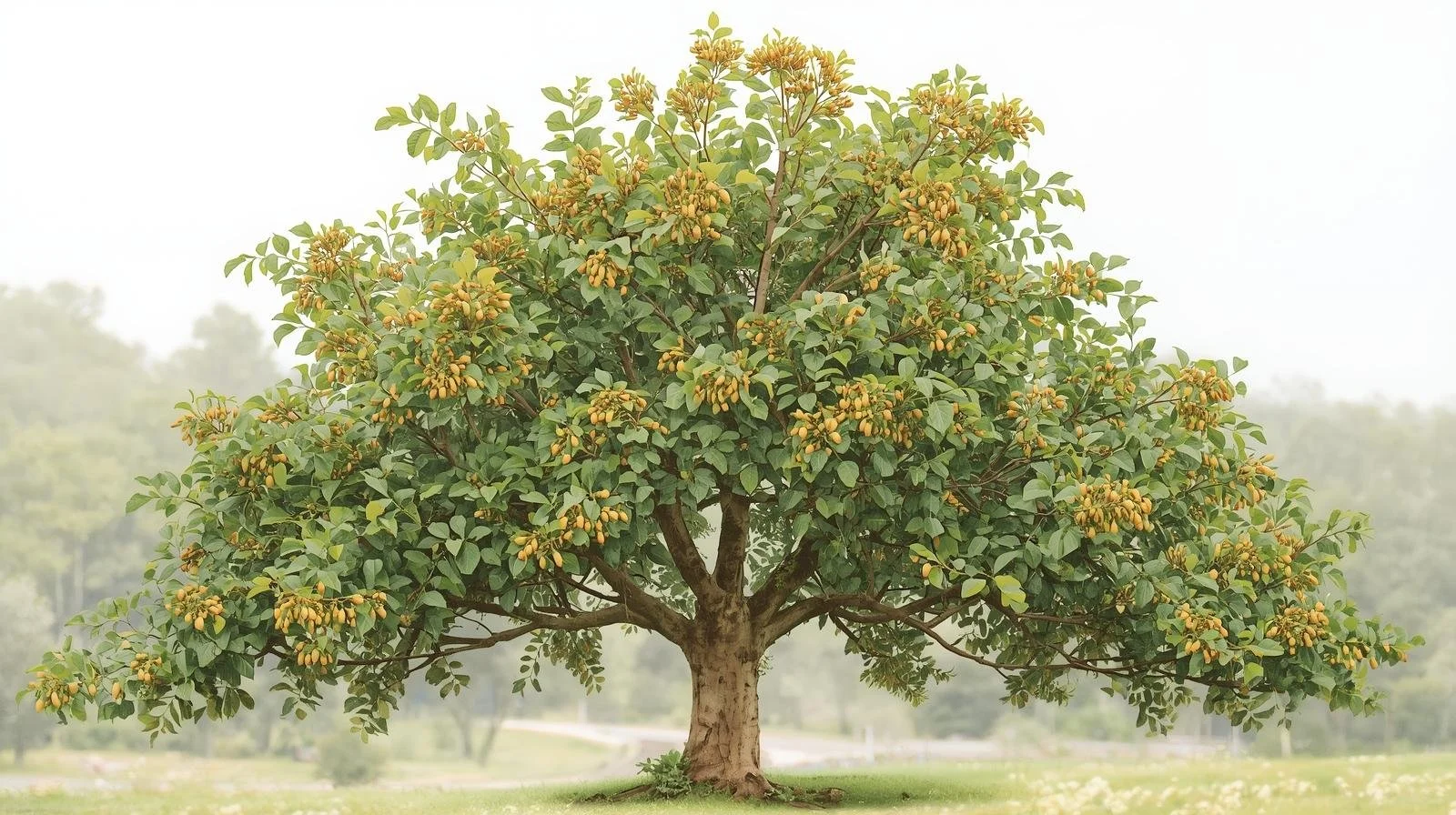
The Hazel Tree (Corylus avellana) is one of Ireland’s most beloved native trees. Found across hedgerows, woodland edges, and ancient forests, hazel has supported wildlife, nourished people, and inspired Irish mythology for thousands of years.
In Ireland’s temperate climate, hazel thrives in moist soils and mixed woodland environments. This small deciduous tree typically grows between 4–8 metres tall and forms multi-stemmed clusters that create dense woodland understorey habitat.
But hazel is far more than a woodland shrub—it is deeply rooted in Irish heritage, ecology, and culture.
The Hazel Tree in Irish Mythology
In Celtic mythology, the hazel tree was known as the Tree of Knowledge. Ancient stories tell of nine hazel trees growing around the Well of Wisdom (Tobar Segais), whose nuts fell into the water and granted wisdom to whoever consumed them.
The legendary Irish hero Fionn mac Cumhaill gained his wisdom after tasting one of these magical hazelnuts. Because of these stories, the hazel became associated with:
Knowledge
Inspiration
Poetry
Spiritual insight
In the ancient Irish ogham alphabet, the hazel—known as “Coll”—represented creativity and wisdom.
Even today, hazel trees symbolise learning, imagination, and the deep connection between nature and Irish culture.
A Keystone Tree for Wildlife
Hazel trees play an essential role in supporting biodiversity in Irish woodlands. Their structure and seasonal cycle provide habitat and food for many species.
Wildlife benefits include:
Hazelnuts feed squirrels, birds, and small mammals.
Early pollen from catkins supports bees and pollinators in late winter.
Dense growth offers nesting and shelter for birds and insects.
Because hazel often grows in the understorey of oak and ash woodlands, it helps create layered forest ecosystems that support diverse wildlife communities.
For forest restoration and rewilding projects, hazel is an invaluable species.
Hazel Through Irish History
Archaeological evidence shows that hazelnuts were an important food source for Mesolithic communities in Ireland, thousands of years ago.
Hazel wood was also widely used for:
Wattle fencing
Basket weaving
Tool handles
Construction materials
The tree’s flexible, strong timber made it ideal for early Irish building techniques and everyday tools.
Identifying a Hazel Tree
Hazel trees are easy to recognise once you know what to look for.
Key features:
Rounded, serrated leaves
Clusters of slender stems
Long yellow catkins (“lamb’s tails”) appearing in winter
Edible hazelnuts ripening in autumn
In spring and summer, hazel leaves create dense green canopy cover, while autumn brings warm yellow tones to the woodland.
Hazel Trees in Ireland’s Forest Ecosystems
Hazel plays a vital role in Ireland’s natural woodland habitats. In some western coastal regions, hazel even dominates special ecosystems known as Atlantic hazelwoods—a unique form of temperate rainforest found in Ireland and Scotland.
These habitats support rare lichens, mosses, and plant species that thrive in Ireland’s damp Atlantic climate.
Protecting and restoring hazel woodlands helps preserve these delicate ecosystems for future generations.
Why Hazel Matters for Native Forest Restoration
Planting hazel trees can help rebuild resilient native forests. Hazel contributes to:
Biodiversity restoration
Carbon storage
Soil stability
Wildlife corridors
Because hazel grows quickly and coppices easily, it has long been used in sustainable woodland management.
For projects focused on restoring Ireland’s native woodland ecosystems, hazel is one of the most valuable species to include.
A Living Symbol of Ireland’s Natural Heritage
Few trees are as closely tied to Ireland’s landscape and mythology as the hazel. From ancient wisdom legends to modern biodiversity conservation, this remarkable native tree continues to shape the Irish environment.
When we protect hazel woodlands, we preserve not only wildlife habitats but also a living piece of Ireland’s cultural heritage.