

How Do You Know It’s Spring in the Forest? | Signs of Spring in Ireland
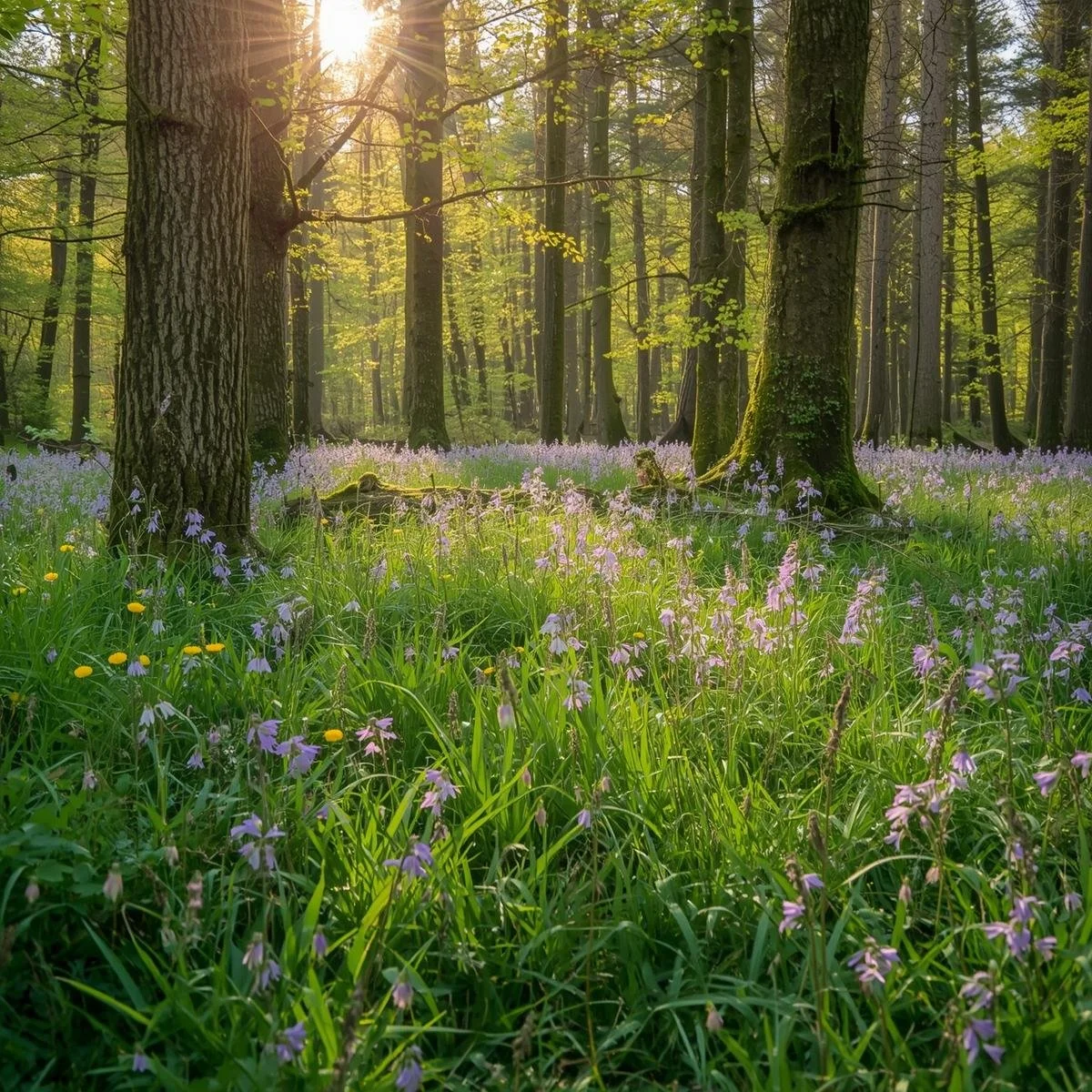
When winter begins to loosen its grip and the days stretch gently longer, something magical happens in Irish forests. The shift isn’t sudden — it’s subtle, layered, and alive with small transformations.
But how do you really know it’s spring in the forest?
In Ireland, spring doesn’t arrive with a single dramatic moment. It reveals itself in whispers — in birdsong, fresh green shoots, damp earthy scents, and golden light filtering through trees that are slowly waking up.
Here’s how to recognise the unmistakable signs of spring in an Irish forest.
1. The Return of Birdsong
One of the first and most uplifting signs of spring is sound.
Irish woodlands come alive with:
Blackbirds singing at dawn
Robins defending territories
Chaffinches calling from treetops
Thrushes rehearsing their bright, repetitive notes
The forest soundtrack shifts from winter’s quiet stillness to a layered chorus of energy and renewal. Longer daylight hours trigger birds to sing earlier and louder — marking the start of nesting season.
If you step into a forest at sunrise in March or April, you’ll hear spring before you see it.
2. Bluebells Begin to Bloom
Few sights signal spring in Ireland as beautifully as a carpet of bluebells.
Typically blooming from mid-April through May, native Irish bluebells transform forest floors into soft violet seas beneath beech, oak, and ash trees. These delicate flowers thrive before the tree canopy fully closes, making early spring the perfect time to see them.
Bluebells aren’t just beautiful — they’re ecological indicators of ancient woodland. Their presence tells you the forest has deep roots.
3. Fresh Green Canopy Unfolding
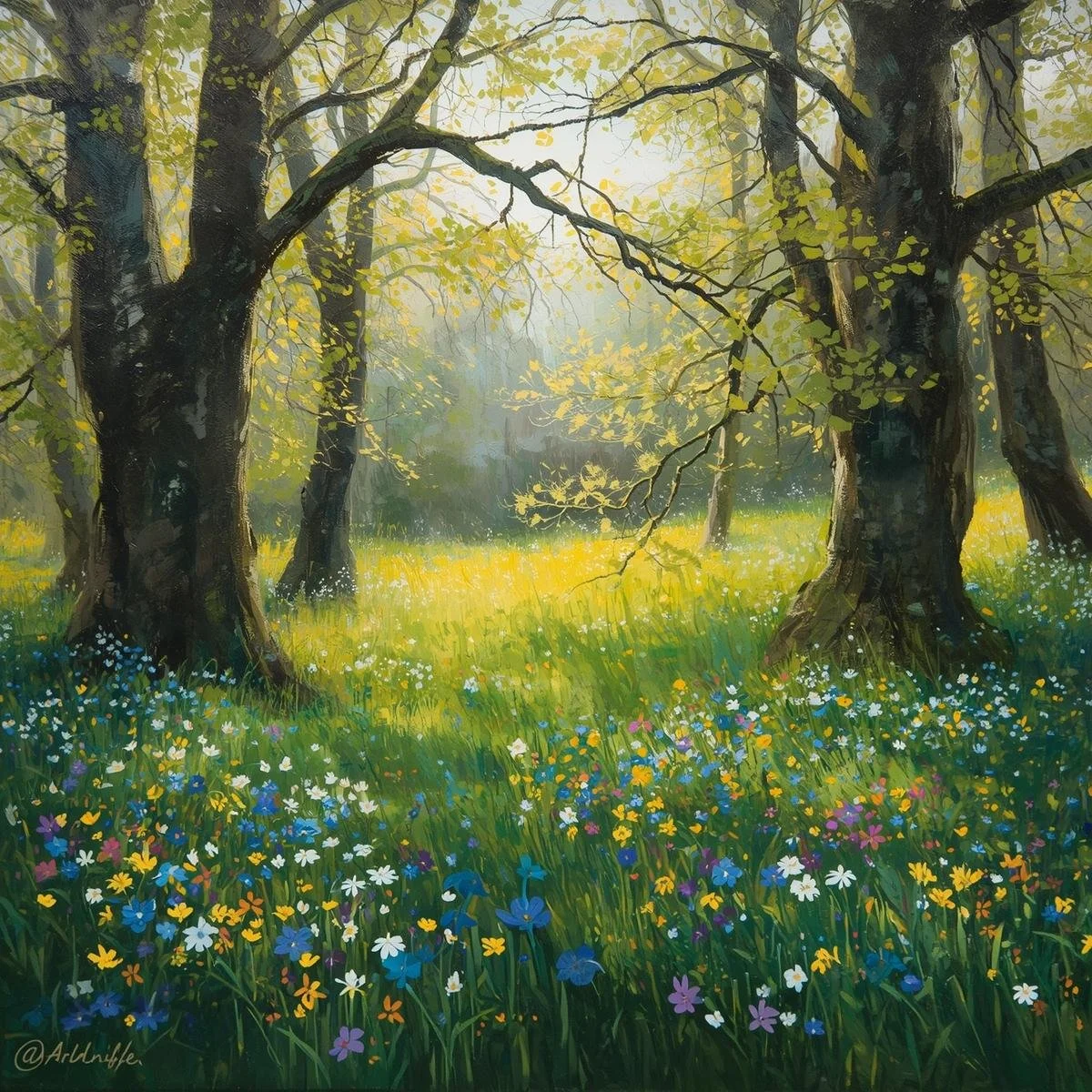
After months of bare branches, the first signs of leaf buds appear — small, tightly folded promises of colour.
Watch for:
Hawthorn leaves unfurling
Birch trees shimmering light green
Oak buds slowly opening
Fern fronds uncurling in spirals
The forest transitions from grey and brown to vibrant green almost overnight. This is often called the “spring flush” — a vivid burst of new growth that feels almost electric in Irish light.
4. Wild Garlic in the Air
If you notice a gentle garlic scent underfoot, spring has definitely arrived.
Wild garlic (ramsons) spreads across woodland floors in March and April. Its broad green leaves and star-shaped white flowers are both edible and aromatic.
In damp Irish forests, especially near streams, wild garlic forms lush, fragrant patches that are impossible to miss.
5. Increased Wildlife Activity
As temperatures rise, wildlife becomes more visible.
In Irish forests during spring you may spot:
Red squirrels gathering nesting material
Fox cubs exploring near dens
Deer grazing on new shoots
Butterflies such as orange tip and peacock species
Spring is breeding season for many species, bringing a renewed energy to the woodland ecosystem.
6. The Smell of Earth and Renewal
There’s a distinct scent to spring in an Irish forest.
The combination of:
Damp soil
Fresh leaves
Moss warming in sunlight
Blooming wildflowers
creates a grounding, almost therapeutic aroma. After winter rains and frost, the soil softens and releases that unmistakable “forest freshness.”
Many visitors describe it as calming, restorative, and deeply nostalgic.
7. Longer Evenings and Golden Light
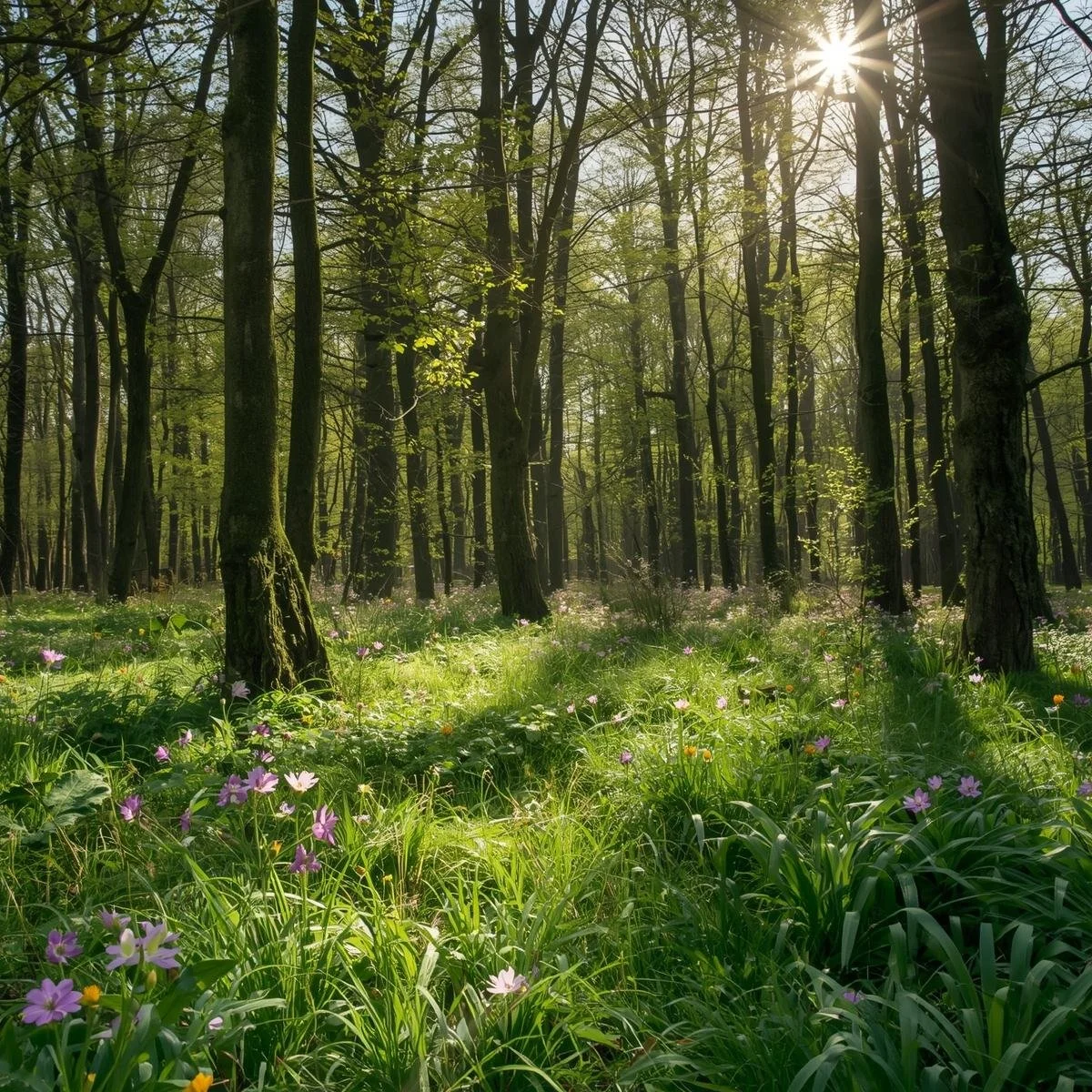
Spring light in Ireland is softer but longer. The sun lingers in the sky, casting golden hues through emerging leaves.
Late afternoon forest walks feel brighter, warmer, and more inviting. The low sunlight filtering through trees creates that signature woodland glow — a sign that brighter months are ahead.
Why Spring in Irish Forests Feels Different
Ireland’s temperate climate makes spring gradual rather than extreme. There’s no sudden thaw or dramatic blossom explosion — instead, change happens gently.
This slow unfolding:
Supports biodiversity
Encourages layered growth
Creates extended flowering periods
Allows wildlife to adapt gradually
It’s a season of balance — not too cold, not too warm — and ideal for forest exploration.
When Is Spring in Ireland?
Meteorological spring in Ireland runs from March to May, but nature doesn’t always follow the calendar.
You’ll usually notice:
Birdsong increasing in early March
Wild garlic emerging mid-March
Bluebells blooming mid-April
Full canopy forming by late May
Every year varies slightly depending on temperature and rainfall.
Experience Spring with Cloudforests
At Cloudforests, we believe forests are living stories — and spring is one of their most beautiful chapters.
It’s the season of renewal, biodiversity, and quiet transformation. Whether you’re walking beneath blooming bluebells, listening to dawn birdsong, or simply breathing in the scent of fresh woodland air, spring invites you to slow down and reconnect with nature.
If you’re wondering whether it’s spring in the forest — listen carefully, look closely, and breathe deeply.
The forest will tell you.