

Biomimicry: 10 Brilliant Ways Nature Helped Humans Solve Big Problems
Nature has been solving complex problems for 3.8 billion years.
Every plant, insect, animal, and ecosystem around us represents research and development on a scale humans can barely comprehend. Biomimicry is the practice of studying these natural solutions and applying them to human design challenges.
From high-speed trains to life-saving materials, some of our smartest innovations didn’t start in a lab — they started in the natural world.
Here are ten of the most fascinating examples of biomimicry in action.
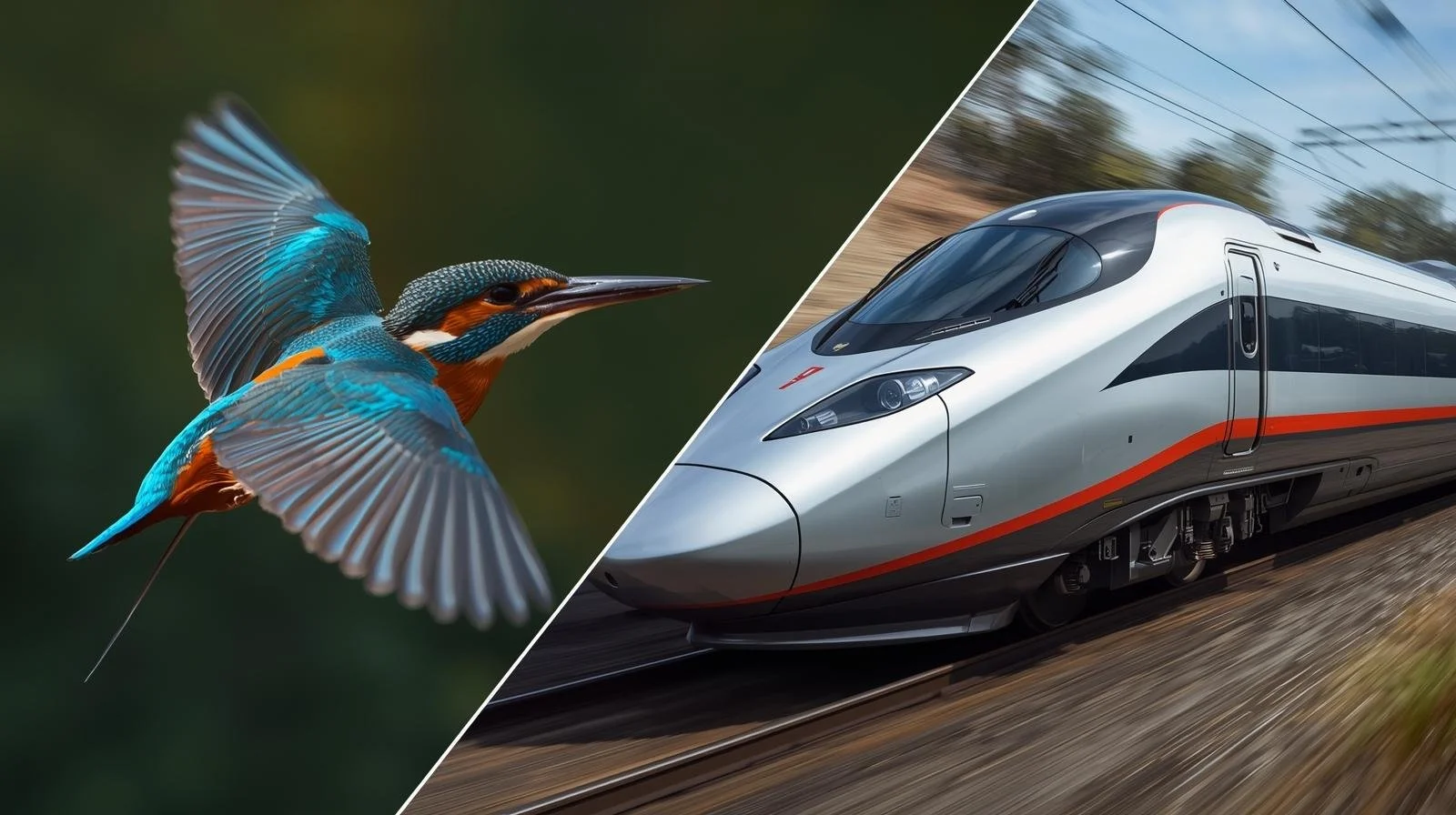
1. Kingfisher Beak → Bullet Train Design
When Japan’s Shinkansen bullet train began operating at higher speeds, it created a loud sonic boom when exiting tunnels.
The solution came from an unlikely source: the kingfisher.
The bird dives from air into water with barely a splash thanks to its long, tapered beak. Engineers redesigned the train’s nose to mimic this shape — reducing noise, lowering energy use, and increasing speed.
2. Velcro → Burr Seeds
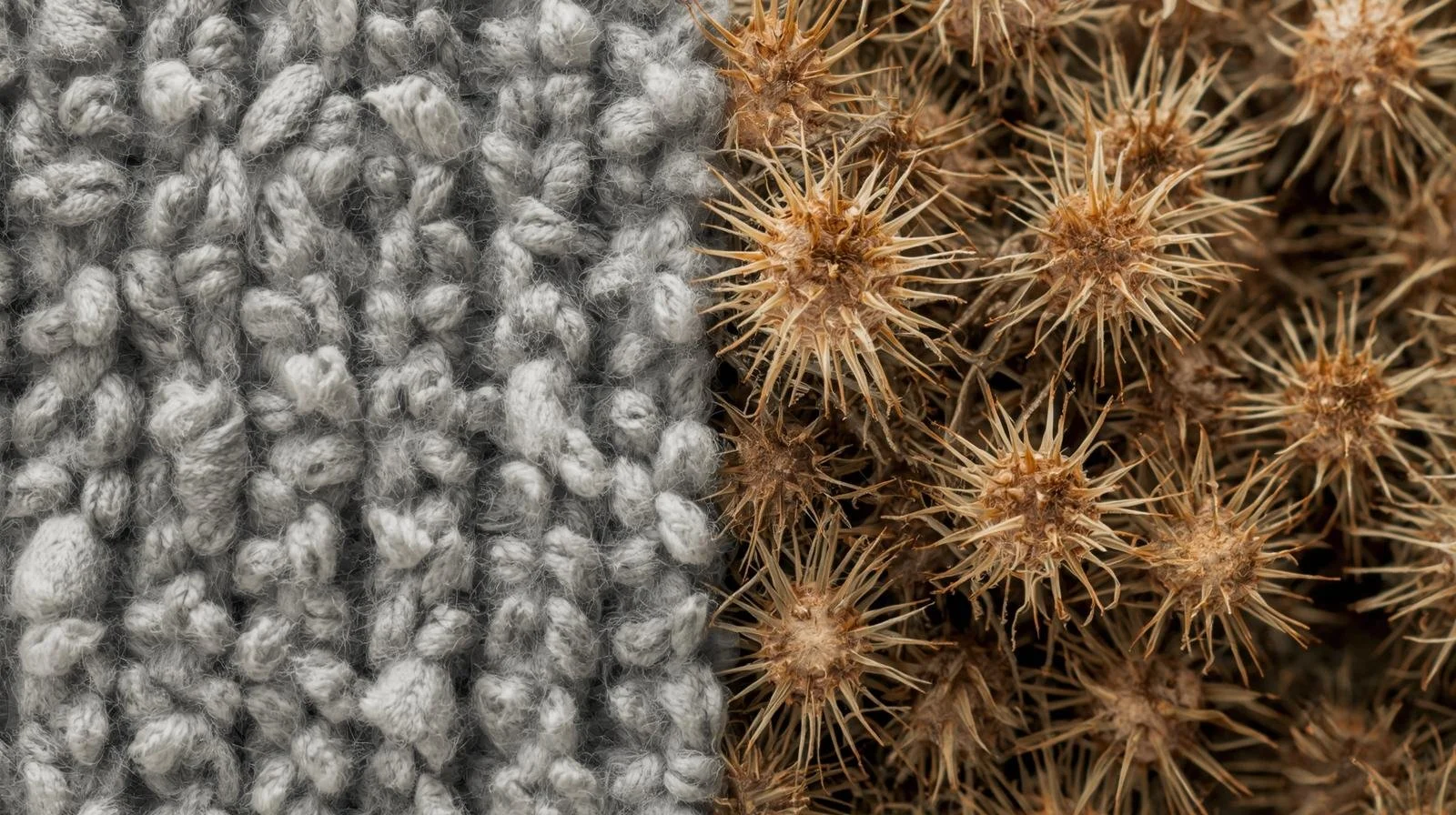
In 1941, Swiss engineer George de Mestral noticed burrs sticking to his dog’s fur. Under a microscope, he saw tiny hooks that latched onto loops in fabric and hair.
That simple natural hook-and-loop system became Velcro — now used in clothing, aerospace, medicine, and countless everyday applications.
3. Gecko Feet → Advanced Adhesives
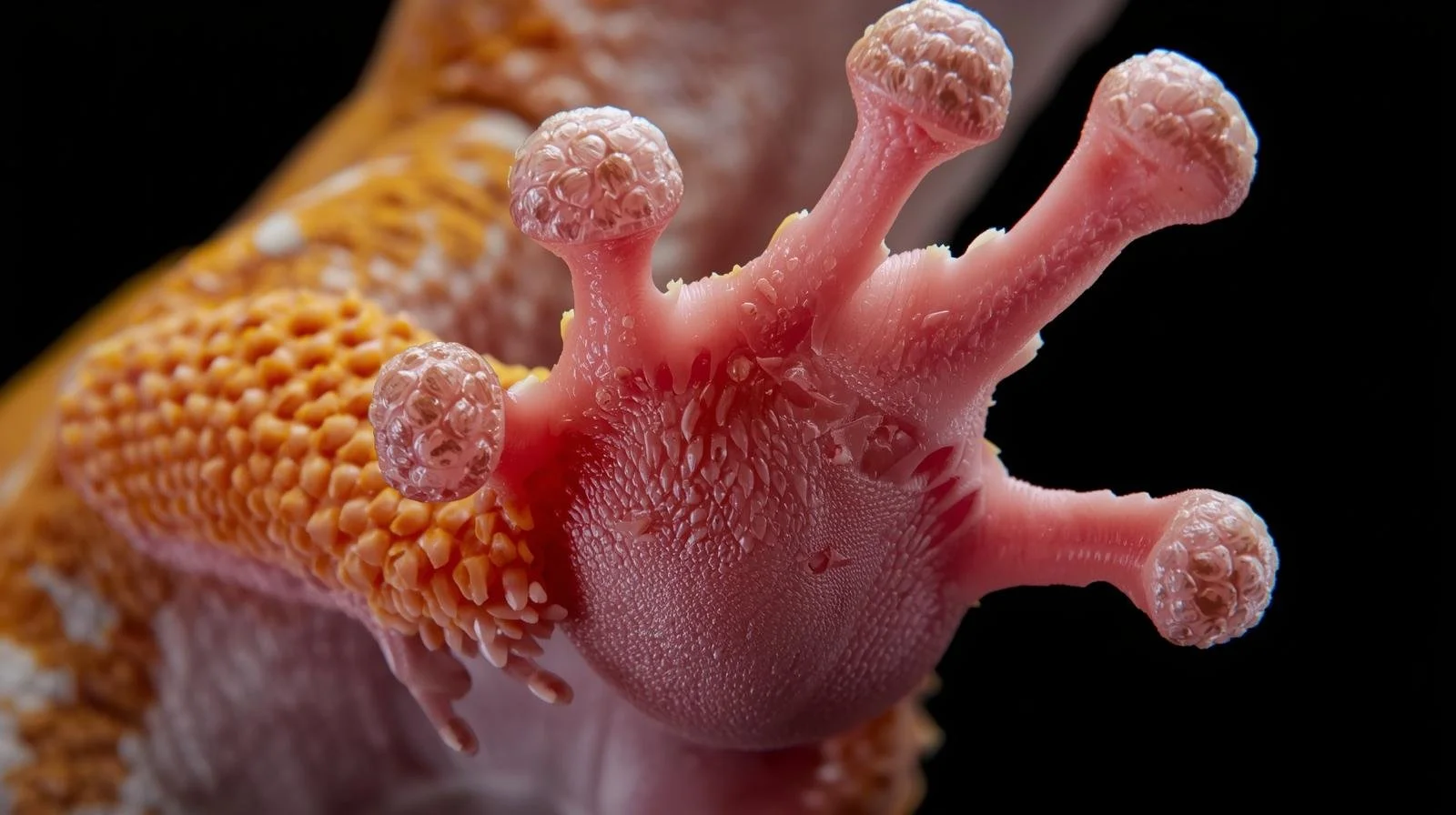
Geckos can walk upside down thanks to millions of microscopic hair-like structures on their feet that create molecular attraction.
Scientists replicated this structure to create ultra-strong adhesives that leave no residue — useful for robotics, medical applications, and even space exploration.
4. Termite Mounds → Energy-Efficient Buildings
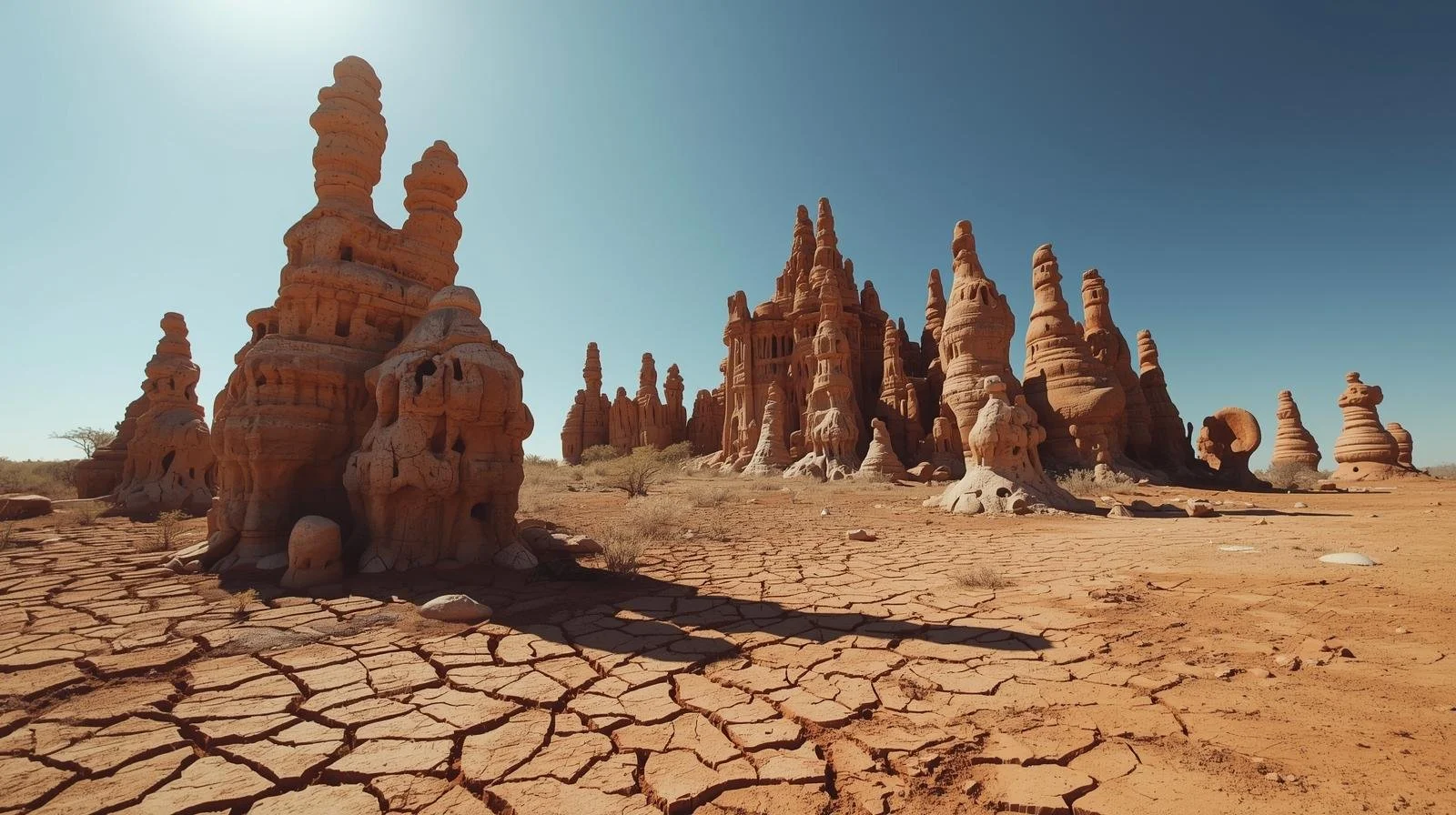
Termites build towering mounds in hot African climates, yet maintain a constant internal temperature.
Architects studied these natural ventilation systems and designed buildings that regulate temperature passively. The Eastgate Centre in Zimbabwe uses this principle, reducing energy consumption dramatically compared to conventional buildings.
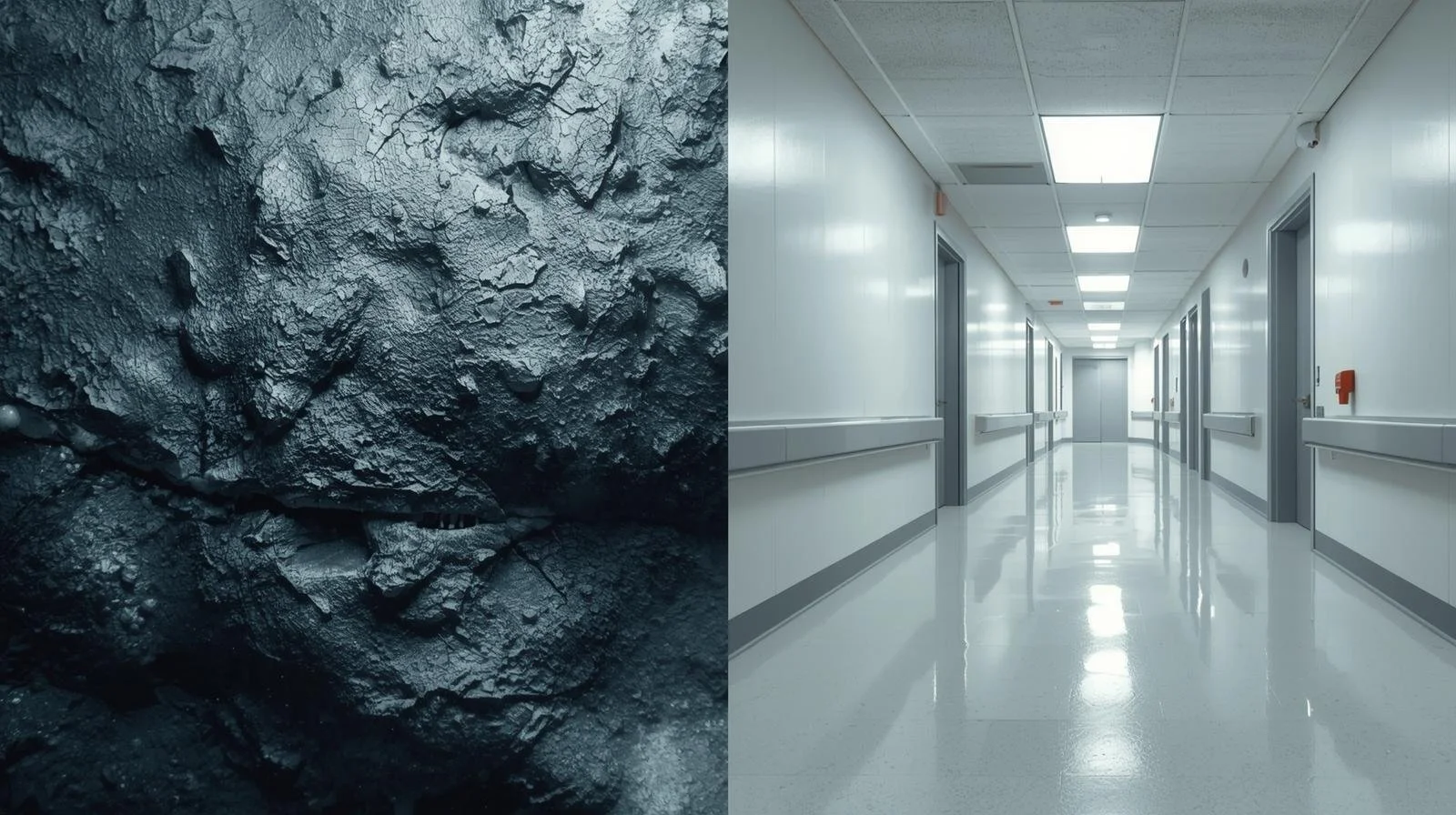
5. Shark Skin → Bacteria-Resistant Surfaces
Shark skin contains microscopic ribbed patterns that prevent bacteria from attaching and growing.
Hospitals and manufacturers have mimicked this texture to create surfaces that naturally resist bacterial growth — reducing the need for chemical disinfectants.
6. Humpback Whale Fins → More Efficient Wind Turbines
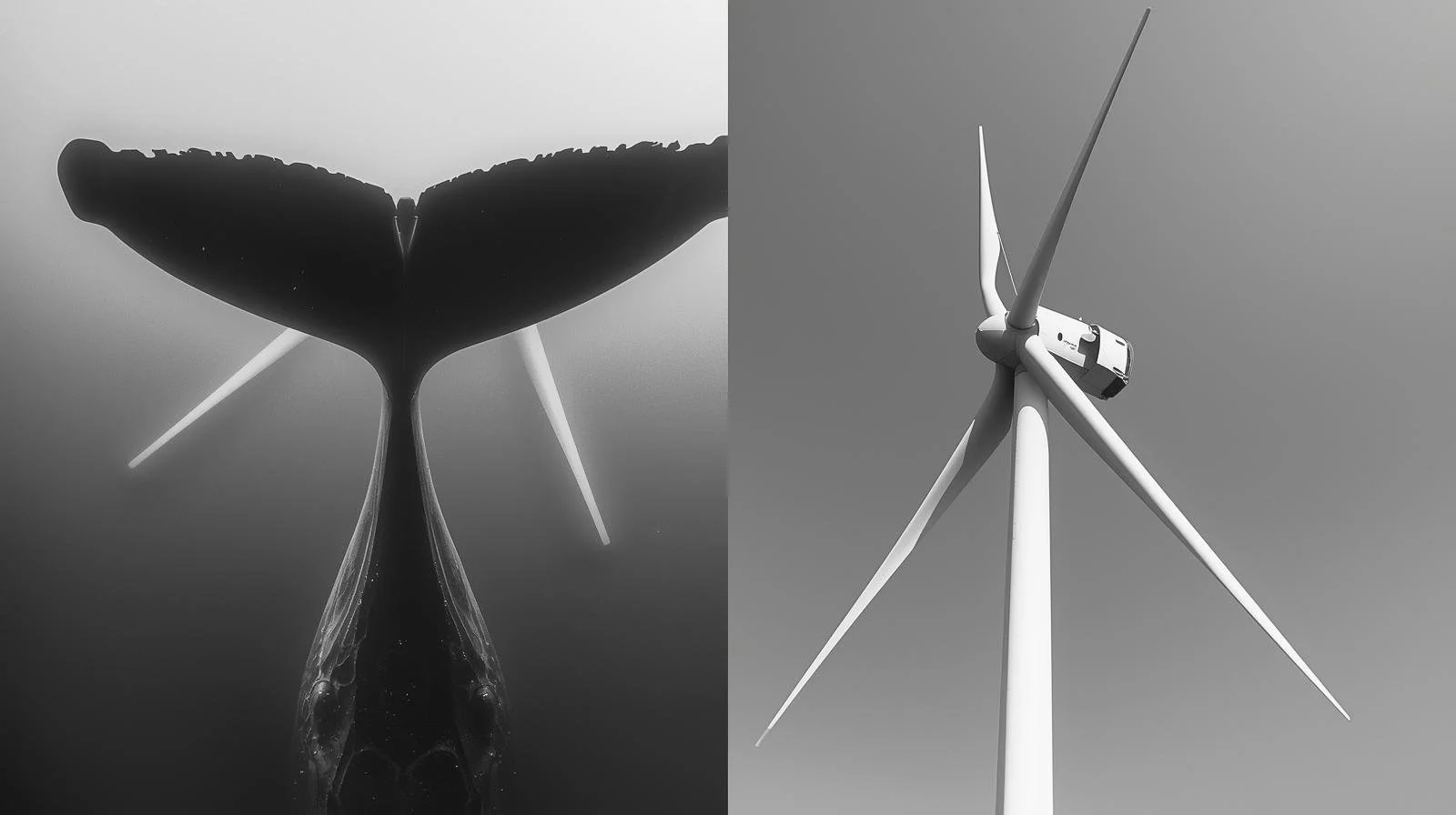
The bumps (tubercles) on humpback whale fins improve lift and reduce drag in water.
Engineers applied this design to wind turbine blades and industrial fans, improving efficiency and reducing noise. A subtle natural pattern resulted in measurable performance gains.
7. Lotus Leaves → Self-Cleaning Surfaces
Lotus leaves stay clean even in muddy water. Their micro-textured surface causes water to bead up and roll off, taking dirt with it.
This inspired self-cleaning paints, glass coatings, and textiles that reduce maintenance and water usage.

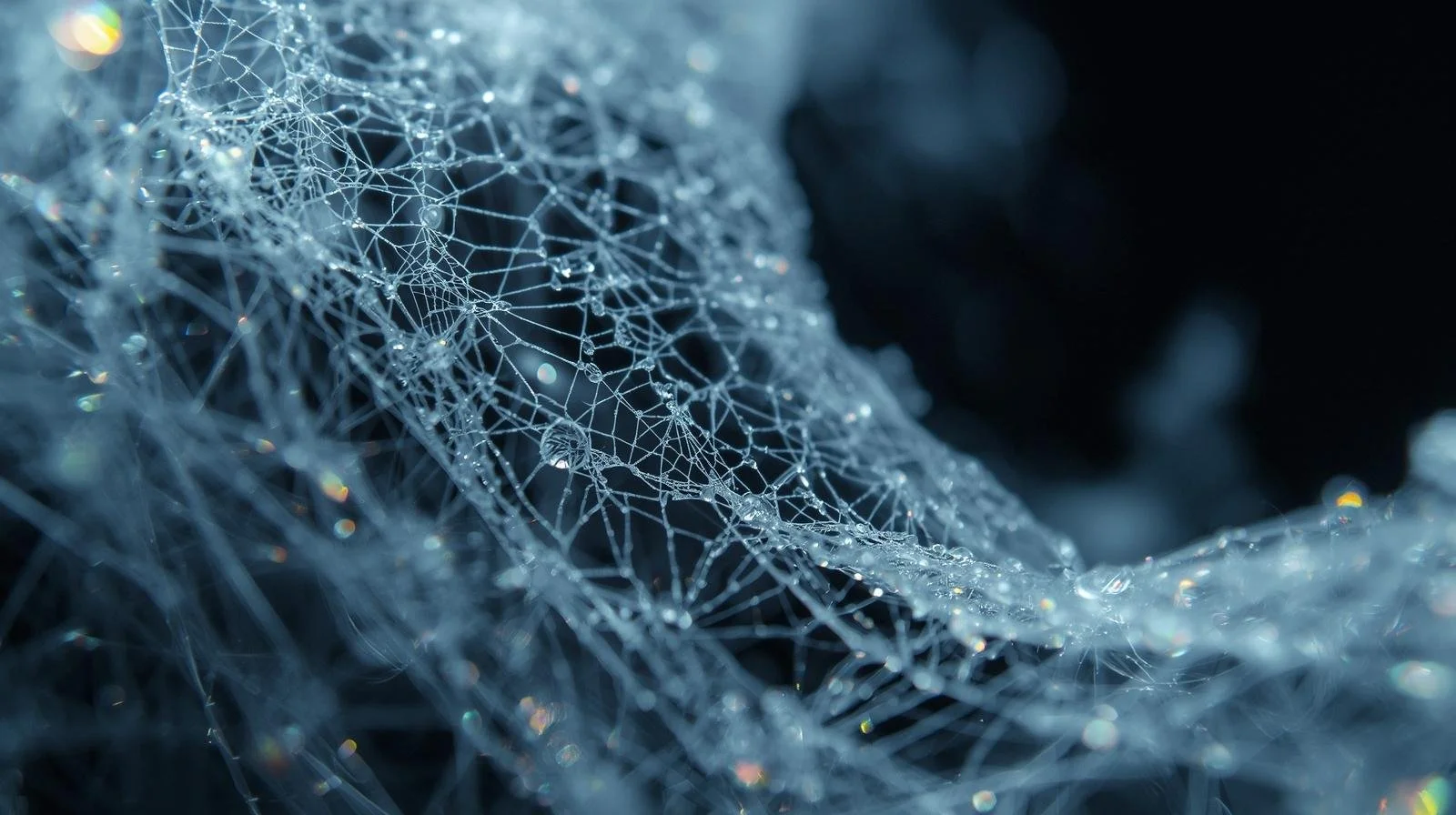
8. Spider Silk → Ultra-Strong Materials
Spider silk is stronger than steel (by weight), flexible, and biodegradable.
Researchers are studying it to develop lightweight armour, medical sutures, and next-generation materials that are both durable and sustainable.
9. Forest Ecosystems → Circular Economy Thinking
In a forest, nothing is wasted. Fallen leaves decompose into nutrients. Dead wood supports new life. Every output becomes an input.
This natural circularity has inspired modern circular economy models — where waste is designed out of systems and materials are reused continuously.
Nature doesn’t operate on “take, make, dispose.” It operates on renewal.
10. Bird Wings → Aeroplane Design
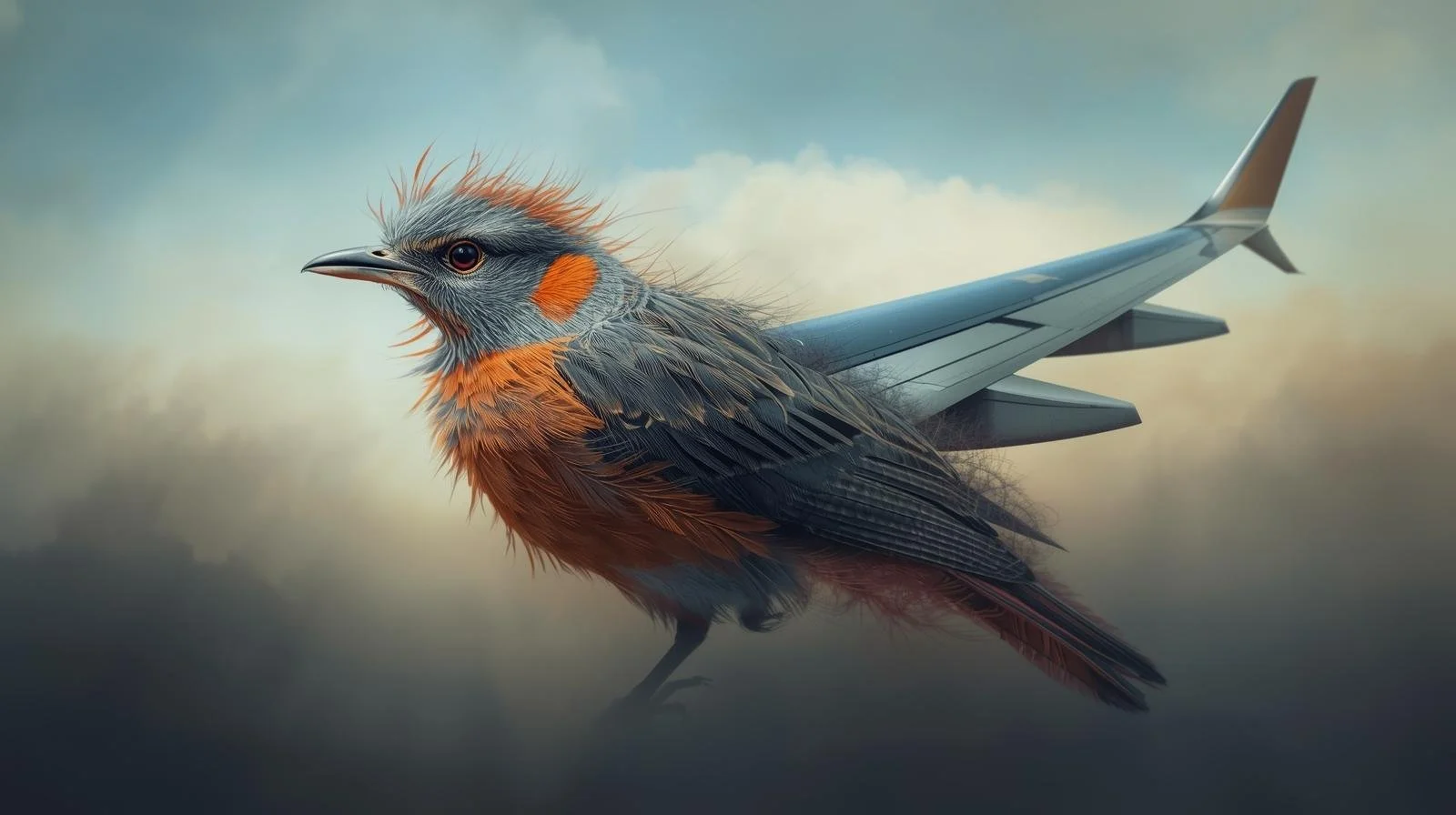
Early aviation pioneers closely studied birds to understand lift, drag, and aerodynamics.
Modern aircraft wings still reflect these natural principles — curved surfaces, winglets, and airflow optimisation — inspired directly by flight in the natural world.
Why Biomimicry Matters More Than Ever
Biomimicry isn’t just clever engineering inspiration — it represents a mindset shift.
Instead of asking:
“How can we extract more from nature?”
We ask:
“How does nature solve this — efficiently, sustainably, and elegantly?”
At a time when we face climate instability, biodiversity loss, and resource strain, nature’s principles offer guidance:
Use only the energy you need
Recycle everything
Reward cooperation
Build resilience through diversity
Adapt continuously
These aren’t just ecological principles — they’re smart design principles.
The Bigger Lesson
Nature rarely solves problems by overpowering them.
It solves them through structure, balance, efficiency, and interconnected systems.
Biomimicry reminds us that innovation doesn’t always require inventing something new. Often, it requires observing what already works — and learning from it.
The natural world isn’t just scenery.
It’s the most advanced design laboratory on Earth.