

Carbon Credits Can Help Grow Ireland’s Next Generation of Native Woodlands
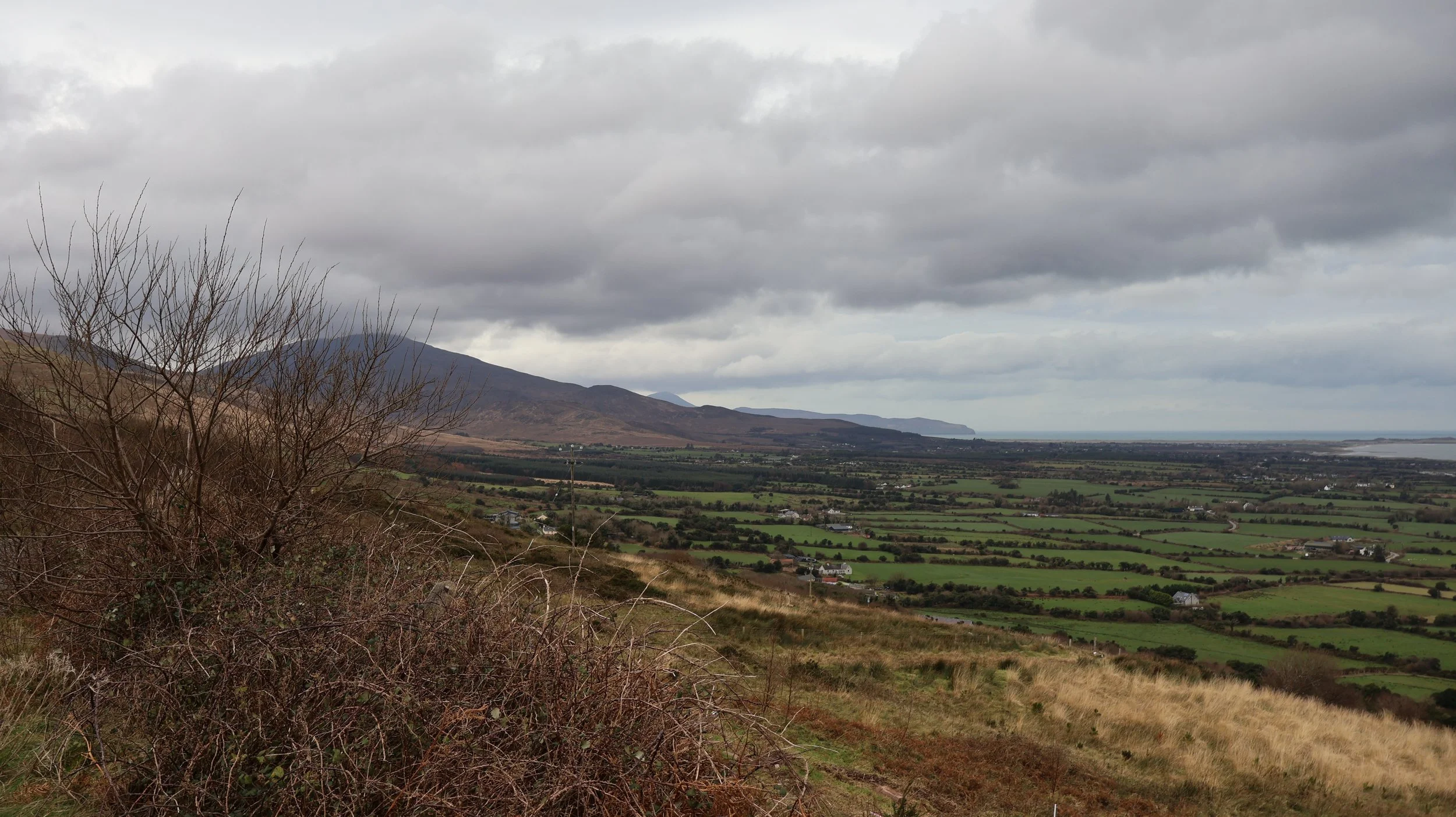
Cloudforest Five The Dingle Peninsula
A young native woodland needs more than a planting day. It needs someone to fund the years that follow.
Trees need care. Habitats need protection. Progress needs to be measured. Someone must take responsibility for the land long after the photographs have been taken.
At Cloudforests, we believe high-quality carbon credits can help finance that commitment — and become a powerful driver of nature restoration in Ireland.
Our ambition is to connect businesses willing to fund climate action with the practical work of creating and caring for native woodlands.
Giving restoration a source of income
Every restoration project begins with decisions about resources: securing suitable land, choosing the right ecological approach, establishing trees where appropriate, and paying for ongoing management.
Carbon finance offers a way to link some of that expenditure to a measurable outcome.
Where a woodland project meets the requirements of a credible carbon standard, eligible carbon removals can support the issuance of credits. Buyers can then help fund the climate benefit the project delivers.
That creates an opportunity: income connected to growing and protecting a living woodland.
We believe this can help make more restoration projects viable and give landowners a stronger reason to commit land to nature over the long term.
The difference carbon funding should make
The most useful question is straightforward: what becomes possible because this funding exists?
Perhaps a woodland can be established on a site where the costs would otherwise prevent it. Perhaps a project can overcome a funding barrier and secure the management needed to succeed.
That difference must be demonstrated. Carbon credits should represent additional climate benefits, supported by conservative measurement, independent verification, safeguards against reversals and protection against double counting. These are central principles of credible carbon crediting.
For us, these requirements give carbon finance its purpose. They connect a buyer’s contribution to an outcome that can be examined and questioned.
Build confidence through evidence
We want businesses supporting restoration to be able to follow its progress.
Where is the woodland? What was there before? What work has taken place? How is carbon being measured? What happens if trees are lost?
Clear answers help turn an environmental commitment into a relationship with a real place.
Measurement also needs honest boundaries. A carbon estimate, a monitoring report and an issued carbon credit represent different stages. Published claims should make those distinctions clear.
We believe confidence grows when the evidence is accessible and the claims stay within what it supports.
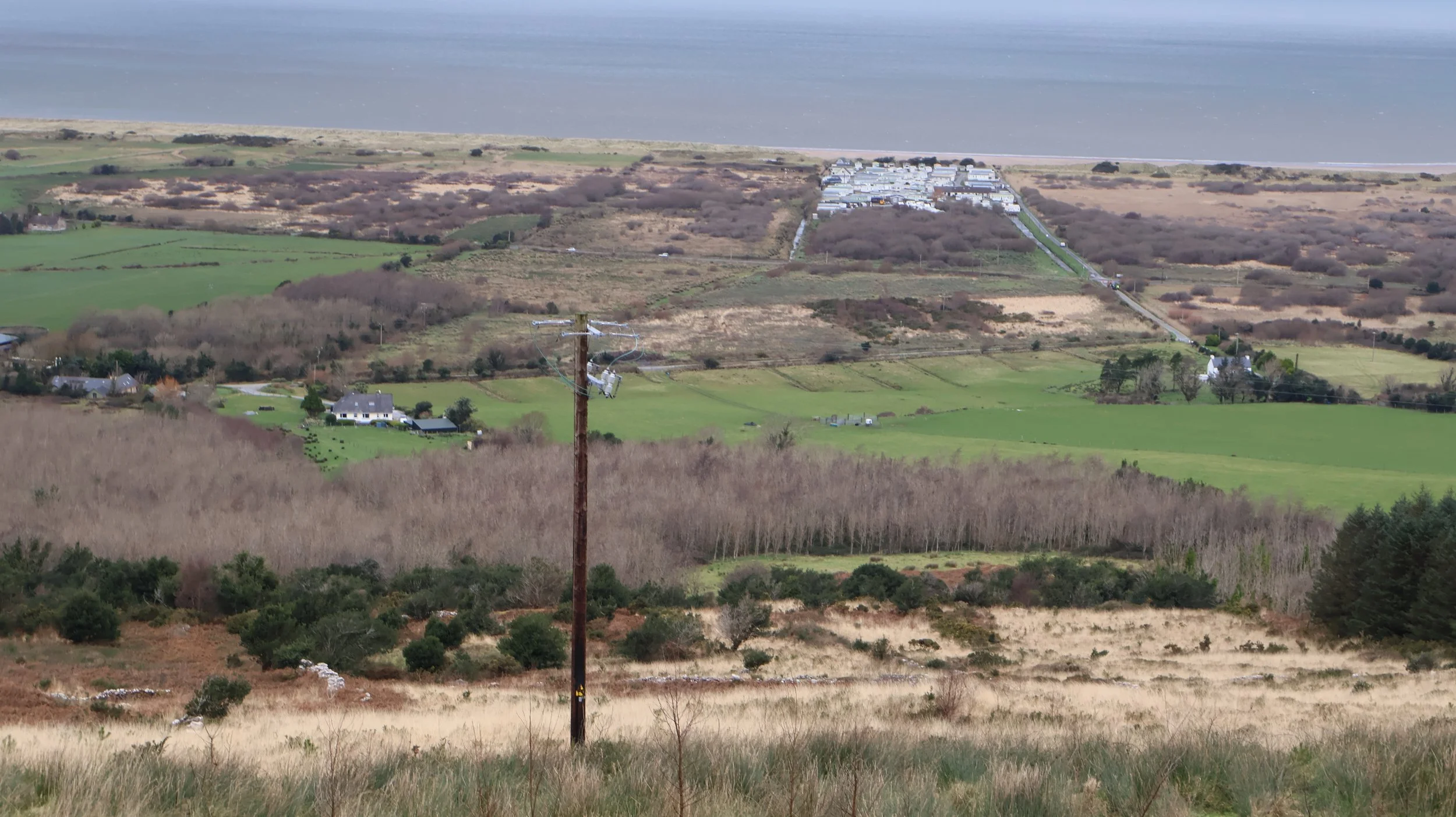
Our Rainforest Project at Cloudforest Five
Let carbon income serve the woodland
A successful project should have an ecological plan that guides how the land is managed.
Our belief is that carbon revenue should help deliver that plan: appropriate native species, habitat diversity, ongoing care and room for natural processes.
This means judging success through more than a carbon total. Woodland condition, regeneration and wildlife observations can help reveal how a site is developing.
Carbon can provide a route for funding. The ambition is a thriving woodland.
A practical role for business
Businesses can reduce emissions within their operations and supply chains while also helping finance restoration beyond them. The Science Based Targets initiative recognises this additional contribution, while making clear that it does not replace a company’s own emissions reductions.
We see an opportunity for businesses to develop lasting relationships with Irish woodland projects — understanding the land, following the evidence and supporting work over time.
Longer commitments could also give restoration teams greater confidence to plan, employ people and care for sites.
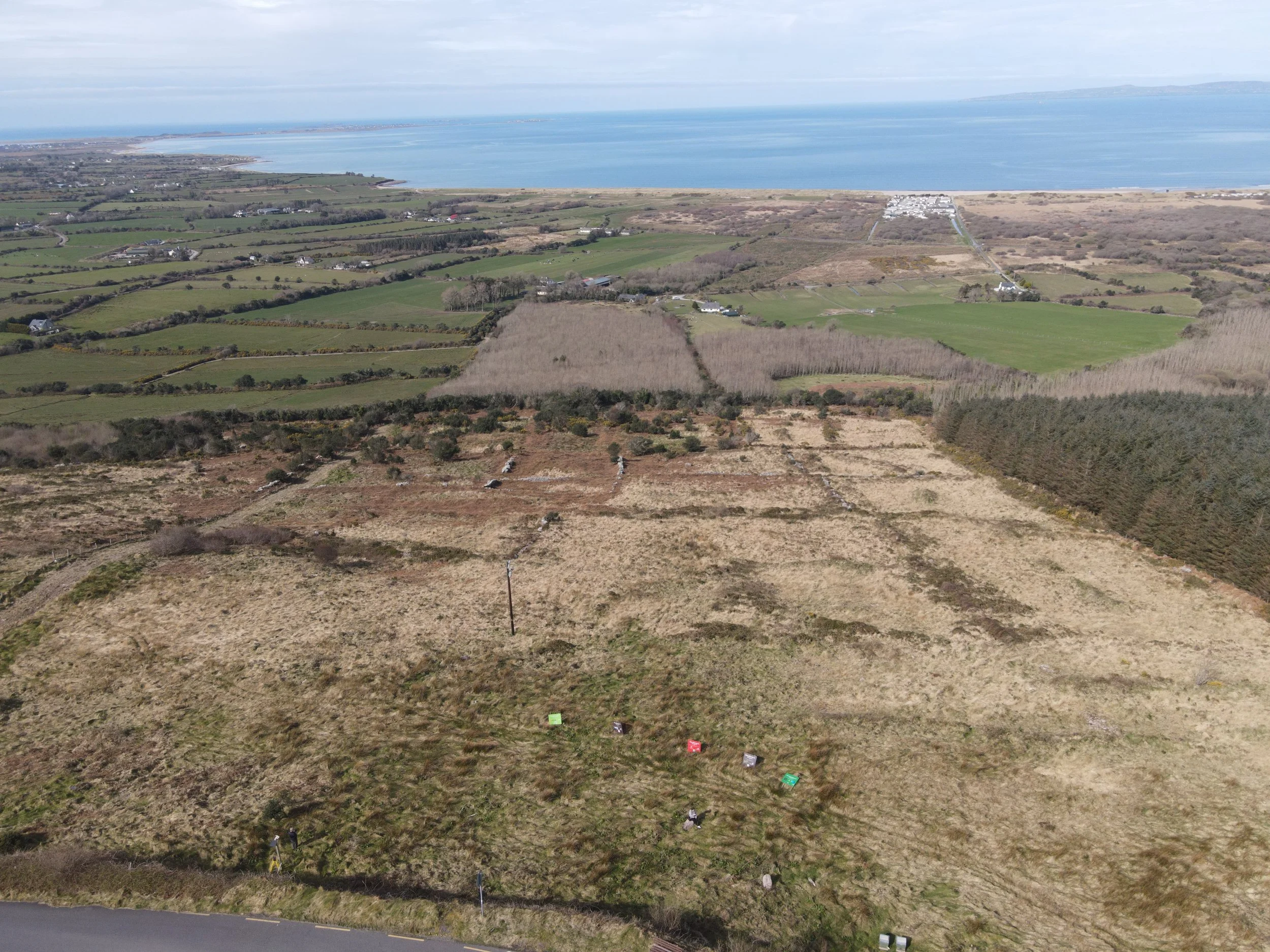
Our belief in what comes next
Carbon revenue will vary, and eligibility must be established project by project. Responsible plans need to reflect that uncertainty.
Nevertheless, we believe high-quality carbon credits can become an important source of funding for Ireland’s native woodlands.
The opportunity is to turn demand for credible climate action into resources for practical restoration: more suitable land secured, more woodland established and more years of care funded.
At Cloudforests, we want carbon finance to help put restoration plans into the ground — and keep them growing.