

Birds at Cloudforest One: Discovering the Wildlife of Our Woodland in Clare
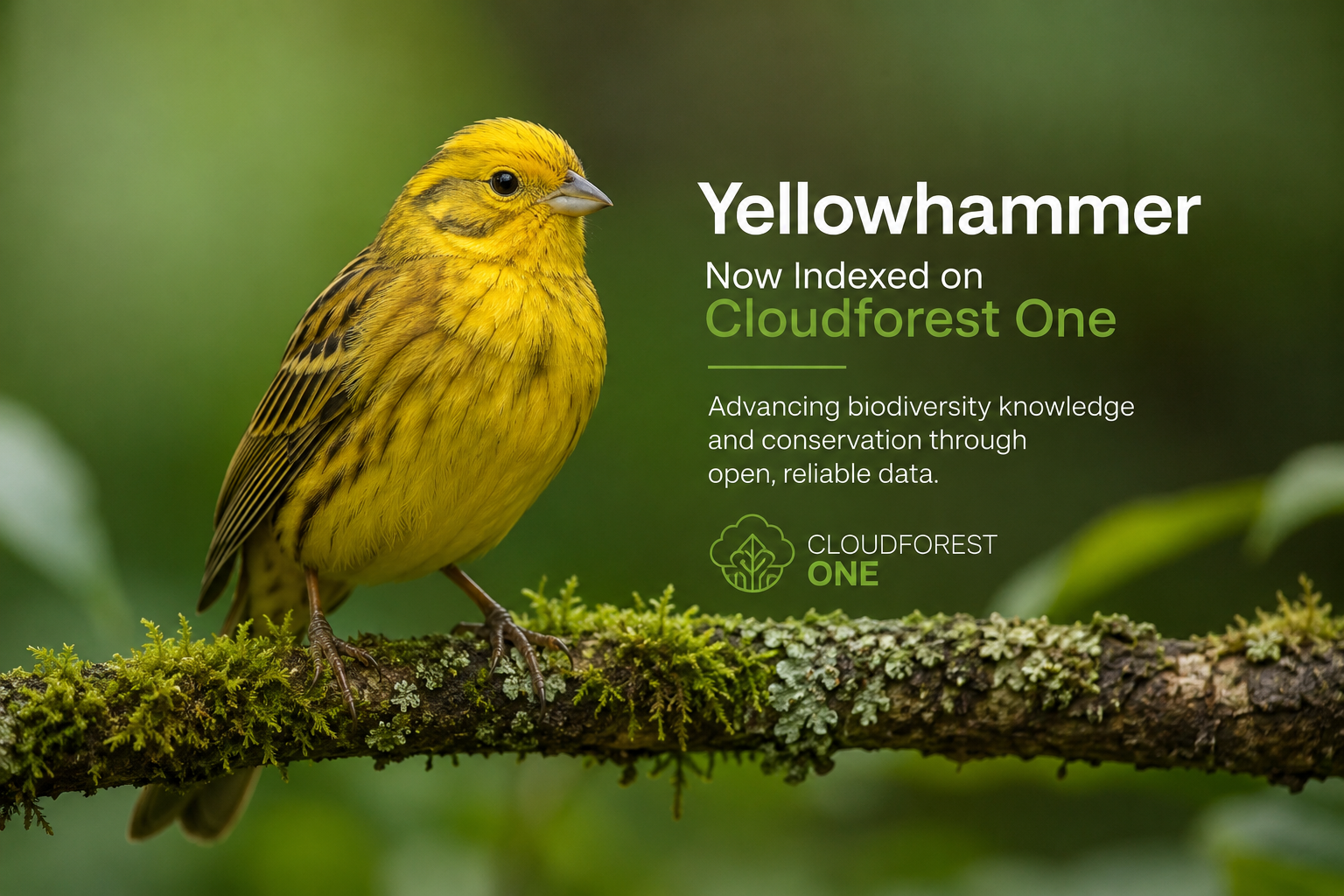
A woodland has a soundtrack. At Cloudforest One in Lahinch, County Clare, we’re listening closely to discover the birds sharing this corner of Ireland’s west coast.
Our acoustic monitoring system captures bird calls and uses automated identification to help us understand which species may be present. In a recent 24-hour monitoring window, the station logged 413 acoustic detections across 24 species.
These are detections of calls rather than a count of individual birds. One vocal bird can generate several recordings. Together, those recordings give us a fascinating glimpse into the activity around the woodland—and some lovely wildlife stories to share.
Goldcrest: Ireland’s Smallest Bird
One of the smallest voices appearing in our monitoring belongs to the goldcrest, Ireland’s smallest breeding bird.
Measuring approximately 9cm long, goldcrests move quickly through branches, searching for insects and other tiny invertebrates. Their distinctive yellow crown gives them their name, while their high-pitched calls can reveal a bird that might otherwise pass unnoticed.
Their appearance in our recordings is a reminder to look closely. Some of the wildlife around us is small enough to disappear behind a cluster of leaves.
Redwing: A Winter Connection to Iceland and Scandinavia
The redwing brings an international dimension to the Cloudforest One soundscape.
These members of the thrush family visit Ireland from Iceland and Scandinavia, generally arriving from October onwards and staying through the winter. They feed on worms, other invertebrates and berries, including those of hawthorn and rowan.
Redwings often migrate at night, when their fine calls can reveal birds travelling overhead.
A redwing detection does not tell us where that particular bird began its journey. But it connects our monitoring in Clare with one of the great seasonal movements of wildlife across northern Europe.
It also highlights the value of protecting a varied landscape, with trees, hedgerows and feeding areas that birds can use throughout the colder months.
Long-Tailed Tits: Small Birds With Remarkable Building Skills
Long-tailed tits were among the most frequently detected species in the monitoring window we reviewed.
Recognisable by their rounded bodies and extraordinarily long tails, these birds are often seen moving through vegetation in small groups.
Their nesting skills are particularly impressive. Long-tailed tits build intricate nests using moss bound together with spider silk and camouflaged with lichens.
They also have a cooperative approach to family life: younger birds sometimes help adults raise chicks. Outside the breeding season, extended family groups can remain together while searching for food.
Their calls add another layer to the woodland’s daily soundtrack.
Wren: A Tiny Bird With a Powerful Voice
The wren topped the visible detection list when we checked the station.
Although it is one of Ireland’s smallest birds, its song has a powerful presence. A wren can remain hidden in low vegetation while making itself clearly heard.
Wrens use woodland, scrub, hedgerows and many other habitats. Their activity draws attention to the importance of the lower layers of a woodland—the cover and shelter beneath and between the trees.
For visitors, pausing to listen can reveal far more than walking through quickly.
What Bird Monitoring Can Tell Us
Acoustic monitoring helps us discover activity that an occasional visit might miss.
By building a record over time, we can explore:
Which species are being detected around the monitoring station.
How bird activity changes through the day.
When seasonal visitors appear.
How the woodland soundscape varies across the year.
Which recordings deserve closer investigation.
The most useful insights come from consistent monitoring over time. Weather, background noise, seasonal behaviour and how frequently different birds call all affect the results.
A busy day of recordings is an interesting snapshot. Longer records, careful interpretation and other ecological observations help us understand the wider picture.
Interesting Detections Deserve a Closer Listen
The system has also flagged potential detections of great spotted woodpecker and kingfisher.
These are intriguing records to investigate. Great spotted woodpeckers, in particular, form part of a remarkable story of natural recolonisation in Ireland.
Automated bird identification can make mistakes, however. We treat unusual results as potential detections requiring review of the original recording, rather than immediately describing them as confirmed sightings.
That distinction helps us build a more useful and credible record of wildlife at Cloudforest One.
How Our CoolPartners Support Woodland and Wildlife
Our CoolPartners help Cloudforests continue creating native woodlands and protecting habitats along Ireland’s west coast.
As woodlands develop, trees, shrubs, ground vegetation and woodland edges can provide different opportunities for wildlife—from insects searching for food to birds seeking shelter.
Sharing the bird monitoring is one way we connect our partners with this wider living landscape. It offers a closer look at the seasonal activity unfolding around the trees they help us establish.
We’re grateful to Apleona and all our CoolPartners for supporting this work and being part of the Cloudforests community.
Explore the Birds of Cloudforests
You don’t need to be an experienced birdwatcher to enjoy the woodland soundtrack.
Start with a familiar robin or wren. Listen for the high notes of a goldcrest. In autumn and winter, discover the redwing and its remarkable seasonal journey.
Visit our Birds of Cloudforests page to explore the monitoring, discover species and hear more of the wildlife around Cloudforest One.
Every season brings something different to listen for.