

🌳 If Trees Could Gossip: Starting a Native Woodland with Local Drama
How to create a thriving Irish native woodland (without losing your mind—or upsetting the hawthorn)
Chapter 1: The Land is Acquired (or: A Field with No Social Life)
Every good story starts with a setting. In this case, it’s usually a field.
Not a dramatic field. Not even a particularly interesting one. Just… grass. Maybe a bit of rush. Possibly a fence that’s doing its best but emotionally checked out sometime around 2007.
You stand there imagining a native woodland in Ireland—birdsong, dappled light, biodiversity bursting from every corner.
Right now, though? It’s giving “abandoned football pitch.”
And that’s exactly where the magic begins.
Because what looks empty is actually waiting. The soil has a memory. The wind carries seeds. The rain is already working shifts you didn’t ask it to.
You’re not creating nature—you’re inviting it back.
Chapter 2: The First Residents Arrive (and Immediately Judge Each Other)
Planting your woodland is less like landscaping and more like introducing a group of strong personalities into a shared house.
Let’s meet the cast.
🌳 The Oak (Quercus robur) – The Mayor
The oak doesn’t rush. It doesn’t need to. It’s planning for 200 years ahead and frankly finds your timelines a bit embarrassing.
Supports more biodiversity than almost any other native tree
Provides habitat for birds, insects, and mammals
Deep-rooted, resilient, and quietly authoritative
The oak doesn’t say much. But when it does, everyone listens.
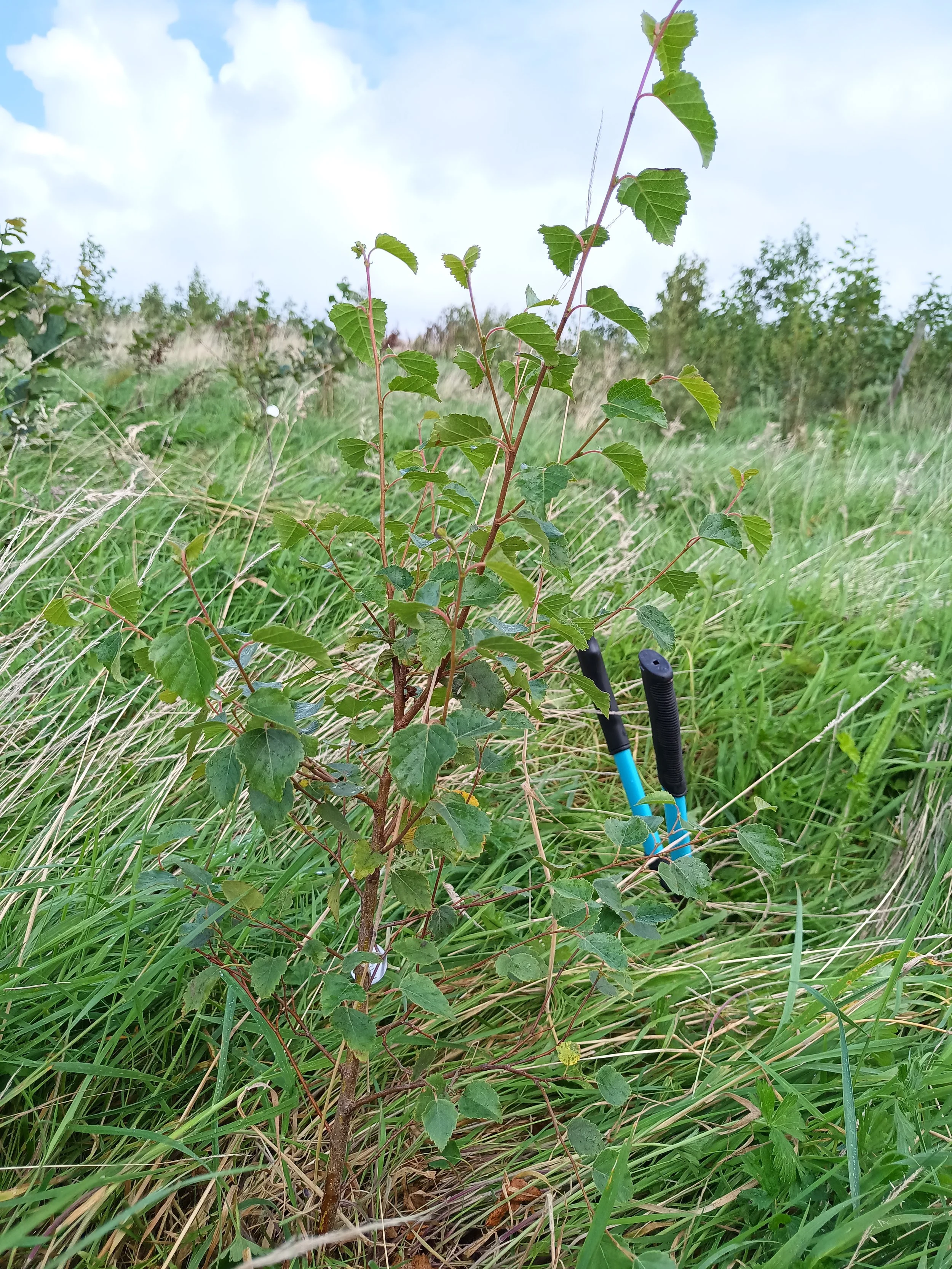
🌿 The Birch (Betula pendula) – The Trendy Newcomer
Fast-growing, elegant, and slightly dramatic in the wind.
One of the first to establish
Helps improve soil conditions for others
Light canopy allows undergrowth to flourish
Birch is the one saying, “Let’s get things started!” while the oak is still reviewing the long-term strategy.
🌳 The Hawthorn (Crataegus monogyna) – The Nosy Neighbour
Full of character. Also full of thorns.
Incredible for wildlife (birds, pollinators, insects)
Dense structure makes excellent shelter
Deeply rooted in Irish folklore
The hawthorn knows everything about everyone—and it’s not afraid to use that information.

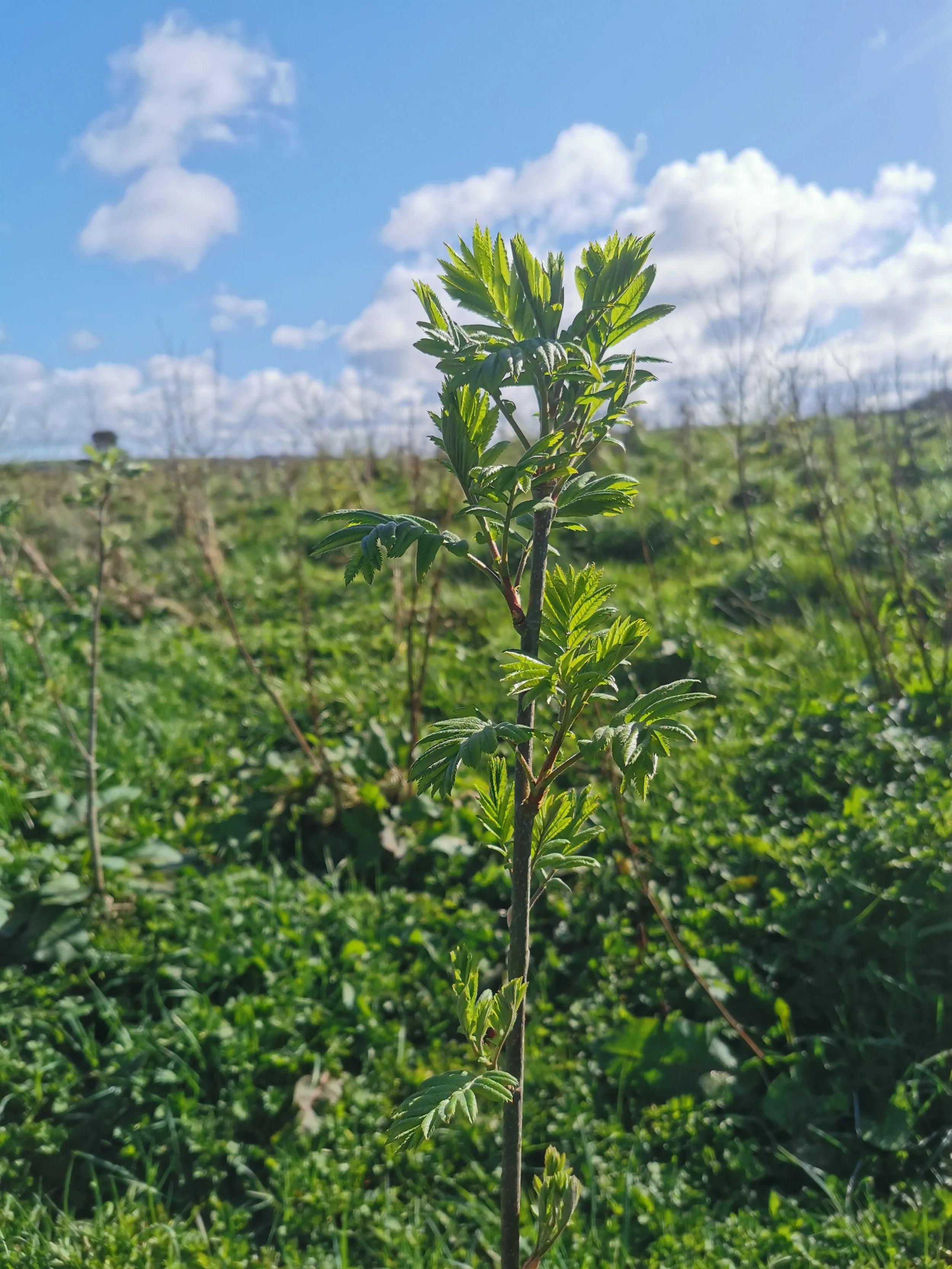
🌿 The Rowan (Sorbus aucuparia) – The Mystical One
Quiet. Observant. Possibly enchanted.
Berries attract birds
Traditionally associated with protection
Thrives in poor soils and exposed areas
If anything strange happens in your woodland, the rowan definitely saw it coming.
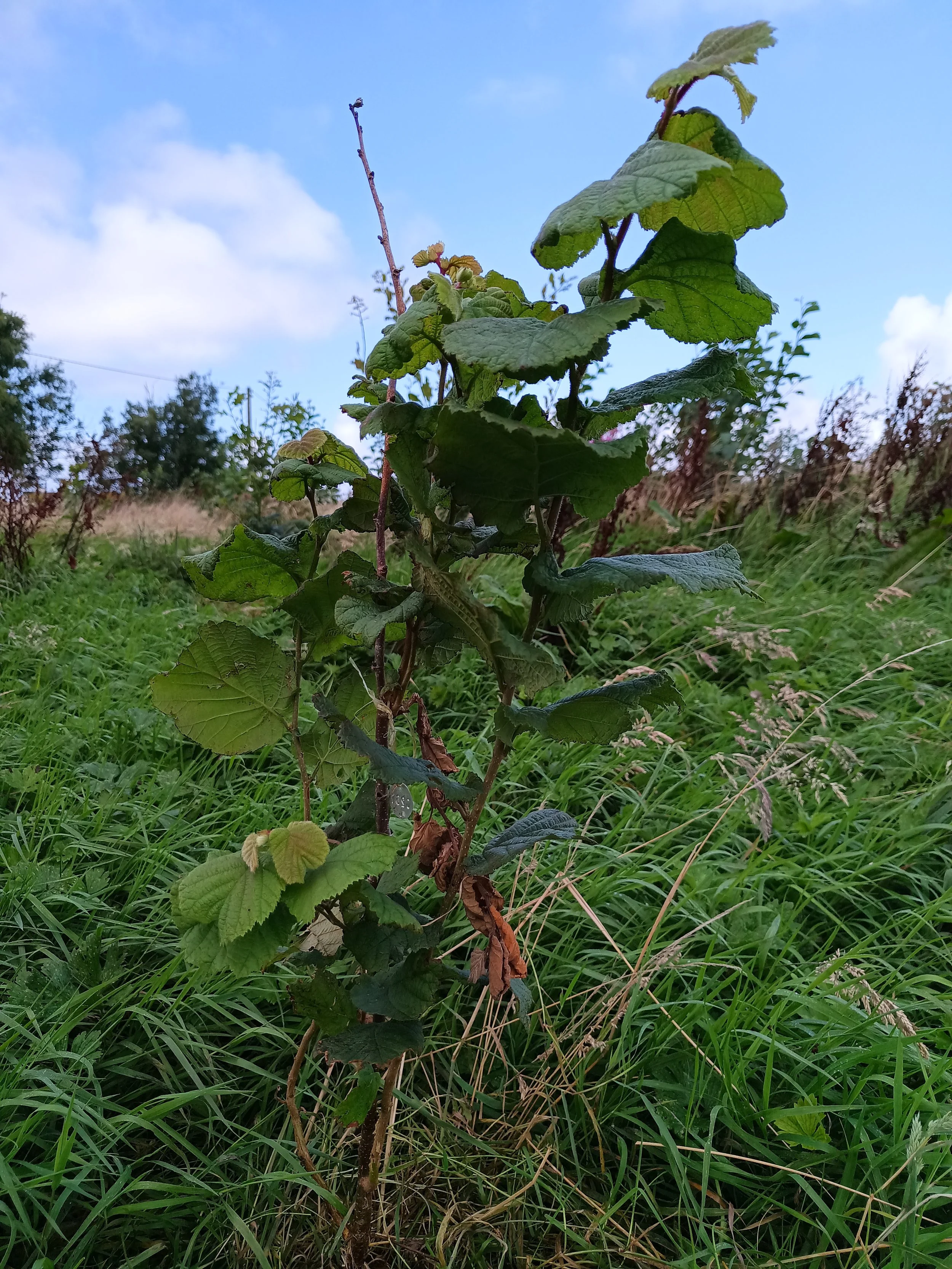
🌱 The Hazel (Corylus avellana) – The Social Organiser
Always busy. Always useful.
Produces nuts for wildlife
Great for coppicing
Supports insects and small mammals
Hazel is constantly saying, “Right, who’s doing what and when?”
🌿 The Alder (Alnus glutinosa) – The One Who Loves Wet Conditions
Give it soggy ground and it thrives.
Improves soil fertility by fixing nitrogen
Ideal for damp or waterlogged areas
Stabilises riverbanks and wet soils
While everyone else is complaining about the rain, alder is living its best life.

Chapter 3: Planning the Village (Before It Turns Into Chaos)
Now that you’ve met the characters, it’s time to think about how to design a native woodland in Ireland.
Because if you just plant randomly, what you’ll get is… drama. Not the good kind.
🌱 Start with Native Species
This isn’t just about aesthetics—it’s about ecosystem function.
Native Irish trees:
Support local wildlife
Are adapted to Irish weather and soil
Require less maintenance long-term
Think of it as hiring locals rather than importing influencers.
🌳 Plant for Diversity, Not Perfection
A healthy woodland is messy. That’s the point.
Include:
Canopy trees (oak, ash, birch)
Understory trees (rowan, holly, hazel)
Shrubs (hawthorn, blackthorn, guelder rose)
Diversity creates resilience—and better gossip.
🌧️ Respect the Land
Your site will tell you what it wants.
Wet soil? → Alder, willow
Dry, exposed land? → Rowan, birch
Rich soil? → Oak, hazel
Ignore this, and your trees will simply… refuse to cooperate.
Chapter 4: Wildlife Moves In Uninvited (Typical)
You thought you were planting trees.
What you were actually doing was opening a wildlife nightclub.
Within months:
Birds arrive (uninvited, but welcome)
Insects move in (definitely uninvited, still essential)
Small mammals start using your woodland as a shortcut
And suddenly, your quiet field is:
Buzzing
Chirping
Rustling
Occasionally screaming at 3am (you’ll get used to it)
This is biodiversity in action.

Chapter 5: The First Signs of Drama
Around year 2–3, things get… interesting.
The birch grows quickly and starts showing off
The oak is still small but deeply unimpressed
The hawthorn forms alliances with passing birds
The hazel starts spreading like it owns the place
You might panic and think:
“Should I be controlling this more?”
Short answer: No.
Long answer:
You’re not building a garden—you’re establishing a self-sustaining ecosystem.
Let it breathe.
Chapter 6: Soil, Secrets, and Underground Conversations
Here’s the part most people miss.
Your woodland isn’t just above ground.
Below the surface:
Tree roots connect through fungal networks
Nutrients are shared
Trees actually “communicate”
Yes, really.
This underground system:
Improves resilience
Helps weaker trees survive
Builds long-term soil health
So while you’re looking at leaves, the real conversations are happening in the dark.
Chapter 7: Maintenance (or: Knowing When to Leave It Alone)
One of the biggest mistakes in woodland creation?
Doing too much.
🌿 Early Years (1–3)
Protect young trees (guards, fencing if needed)
Control aggressive weeds if necessary
Replace failed plants
🌳 Middle Years (4–10)
Minimal intervention
Allow natural competition
Observe more than act
🌲 Long Term
Occasional thinning
Coppicing (for species like hazel)
Let nature lead
Your role shifts from “builder” to observer-in-chief.
Chapter 8: 10 Years Later – It’s Basically a Soap Opera Now
Fast forward a decade.
That empty field?
It’s gone.
In its place:
A layered woodland
Birds nesting
Light filtering through leaves
A constant hum of life
The oak is finally starting to assert authority.
The birch has matured (slightly).
The hawthorn is still… the hawthorn.
And you realise something:
You didn’t just plant trees.
You created a living system.
Chapter 9: Why Native Woodlands Matter (Beyond the Drama)
Let’s step out of the story for a moment.
Creating a native Irish woodland isn’t just a personal project—it’s a meaningful environmental act.
🌍 Climate Impact
Trees absorb carbon
Improve air quality
Regulate temperature
🐝 Biodiversity
Supports pollinators
Provides habitat
Restores ecosystems
💧 Water Management
Reduces flooding
Improves soil structure
Filters water naturally
🌿 Mental Wellbeing
Reduces stress
Connects you to nature
Creates long-term legacy
This is why projects like those at Cloudforests.ie matter—they’re not just planting trees, they’re rebuilding ecosystems.
Chapter 10: Mistakes (Everyone Makes Them)
Let’s be honest.
You will:
Plant something in the wrong place
Lose a few trees
Underestimate how fast things grow
Overthink it
And that’s fine.
Nature is incredibly forgiving—if you give it the chance.
Chapter 11: A Different Way to Think About It
Here’s the shift that changes everything:
You are not the owner of the woodland.
You are:
The initiator
The facilitator
The one who started the story
The woodland will outlive your plans, your timelines, and probably your expectations.
And that’s the point.
Chapter 12: Final Thoughts (From the Trees, Obviously)
If the trees could talk, they’d probably say:
The oak: “Think longer.”
The birch: “Start now.”
The hawthorn: “Expect surprises.”
The rowan: “Respect the land.”
The hazel: “Stay involved—but not too involved.”
And maybe, just maybe:
“Stop trying to control everything. We’ve got this.”
🌳 Thinking About Creating Your Own Native Woodland in Ireland?
Whether you have a small plot or a large site, starting a woodland is one of the most impactful things you can do—for biodiversity, climate, and future generations.
At Cloudforests.ie, the focus is on:
Native Irish woodland creation
Sustainable planting strategies
Long-term ecosystem thinking
Because a woodland isn’t just something you plant.
It’s something you begin.